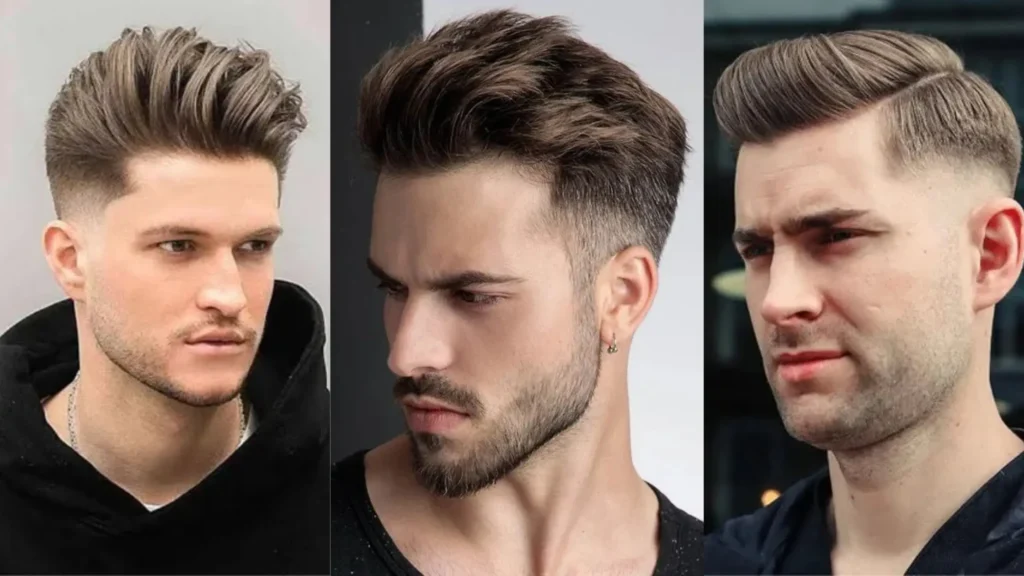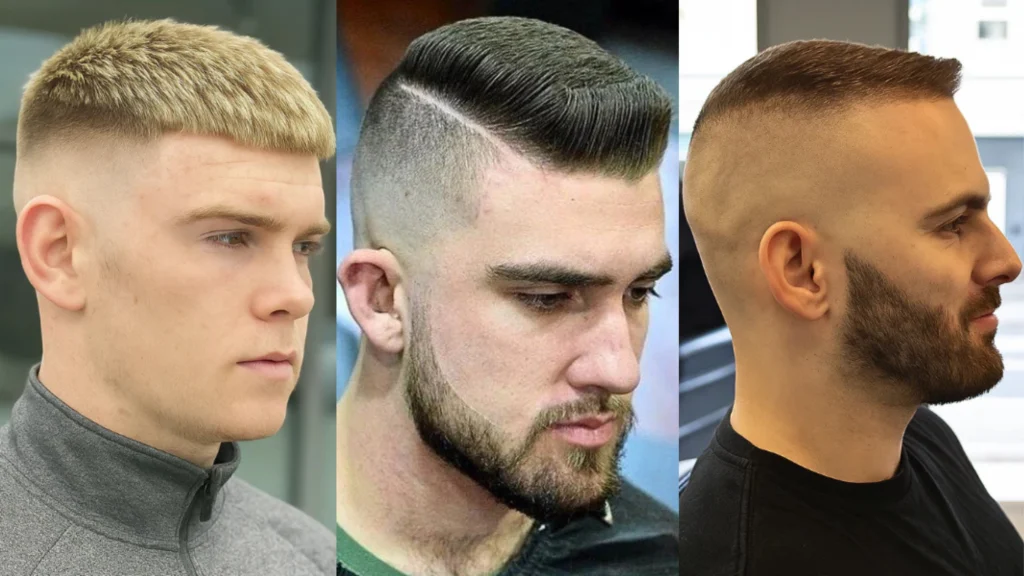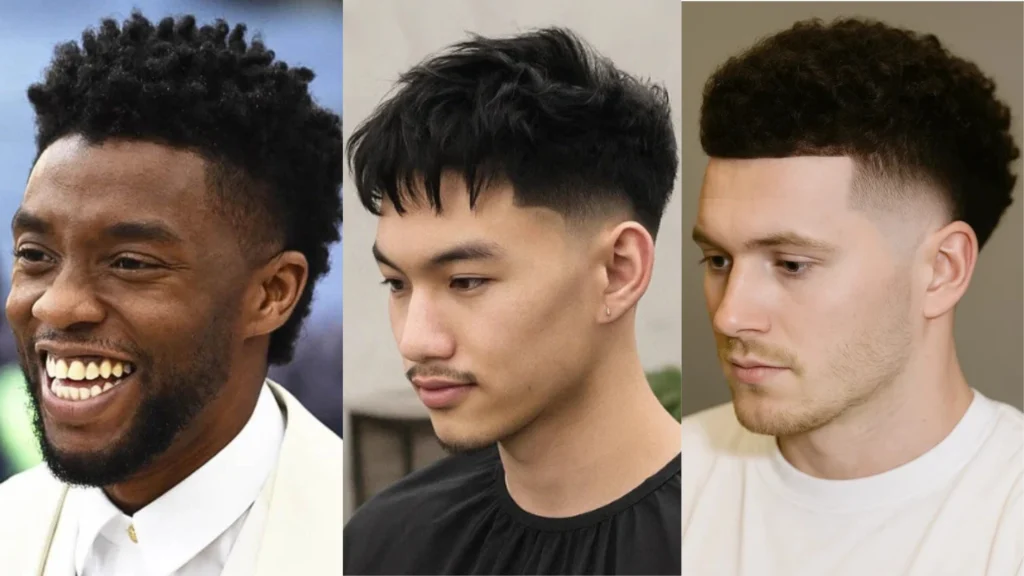
The temple fade is one of those rare styles that stays in style. It starts with a subtle taper around the temples and sideburns, blending seamlessly into the sides for a sharp but natural finish. The result is clean, modern, and quietly confident — whether your hair is straight, curly, or coiled.
First popularised in New York barbershops in the 1980s, the temple taper quickly became a signature in Black men’s hairstyles and has since gone global. Today it works on every texture and length, from tight curls and short afros to smooth straight styles and dreads.
What makes it stand out is the balance. Go low for a softer outline, mid for a versatile everyday look, or high for stronger contrast. Each version frames the face, defines the hairline, and adds a polished edge without overdoing it.
In this guide you’ll learn what a temple fade really is, how it differs from a taper fade, and the best styles for every hair type — curly, straight, and afro textures. Dreads, a clean buzz cut, or a longer modern twist, this is your complete guide to one of the most timeless fades for men.
What Exactly Is a Temple Fade?
A temple fade is a clean, tapered cut that focuses on the temples and sideburns, creating sharp edges and a balanced outline. Unlike a full fade, it keeps most of the length on the sides and top while blending neatly around the temples for a fresh, structured look.
It can be worn low, mid, or high, depending on how bold or subtle you want it. That flexibility makes it one of the most versatile cuts going — easy to maintain, flattering on every face shape, and friendly to all hair textures.
Key Benefits of a Temple Fade
From a barber’s perspective, here’s why the temple fade stays a top choice:
- Sharp, clean shape that defines your face without being too aggressive.
- Works on every hair type — straight, curly, afro, or wavy.
- Low-maintenance cut that grows out evenly and stays neat between trims.
- Versatile look that fits any style, from classic to modern.
- Cool and comfortable, especially around the edges and sideburns.
Low, mid, or high, the result is always the same — structure, balance, and an easy kind of confidence.
Recommended Styling Products
Things to Keep in Mind
Before you get one, a few small details make a big difference in how it turns out:
- Match fade height to face shape — low fades suit rounder faces, while higher fades add definition to square or oval shapes.
- Consider your hair texture — curly and afro hair blends best with a temple taper fade, while straight hair looks cleaner with a sharper outline.
- Use lightweight products — a matte clay or styling cream keeps the fade defined without stiffness.
- Stay consistent with trims — touch up your fade every 2–3 weeks to maintain clean edges and shape.
- Communicate clearly with your barber — show a photo reference and specify whether you want a low, mid, or high temple fade.
These small choices help your temple fade look sharp, balanced, and clean, whatever your hair type or routine.
Table of Contents
Temple Fade Curly Hair
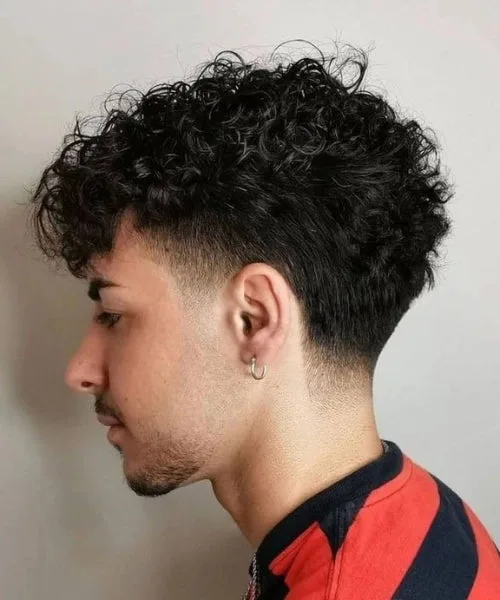
Curly hair and a temple fade are a natural match. The clean outline plays up the curls’ volume while keeping the sides neat, giving you movement without losing control. Use a curl cream or light mousse to shape the texture and add shine. It’s best for medium to tight curls that want a balance of sharp edges and natural flow. If you love texture, see our low taper fade with textured fringe or afro taper fade for more shape ideas.
Dreads Temple Fade Haircut
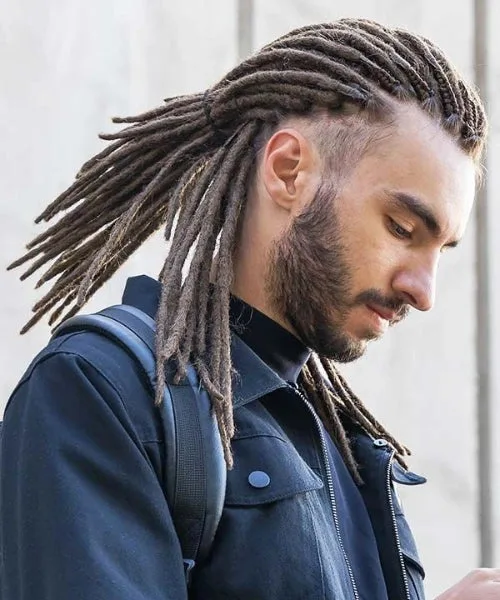
A temple fade with dreads is one of the more expressive looks around. The sharp taper around the temples keeps the style neat while the dreads add individuality and texture, tied back or free-flowing. It’s great for medium or long dreads when you want something bold but easy to maintain.
Afro Temple Fade Haircut

The temple fade afro blends precision with volume. The clean fade around the temples sharpens the face shape while the full afro adds natural height and presence — texture with a crisp, polished edge. A moisturising product or argan oil defines the curls and keeps the fade fresh. Best for thick, coily, or afro-textured hair that wants structure without losing fullness.
Temple Fade Straight Hair
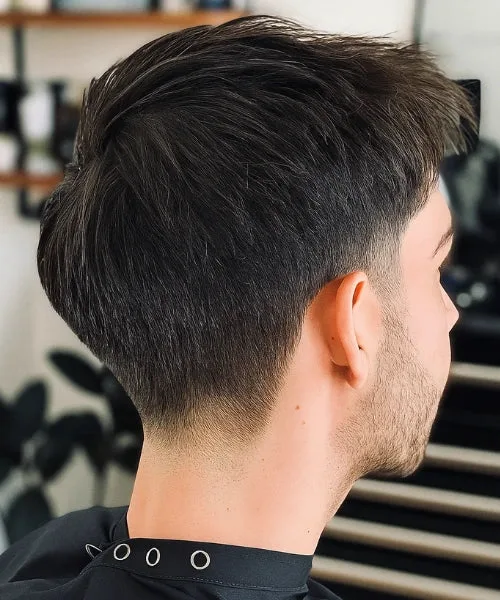
On straight hair, the temple fade brings a sleek, refined edge. The fade tightens the sides while the top stays smooth, giving straight hair more structure and movement without much styling. Use a matte clay or light cream to shape the flow. Straight-haired guys also like our mid taper fade for straight hair for its clean, balanced finish. It’s ideal for fine to medium straight hair that wants something clean and modern.
Mullet Temple Fade Haircut
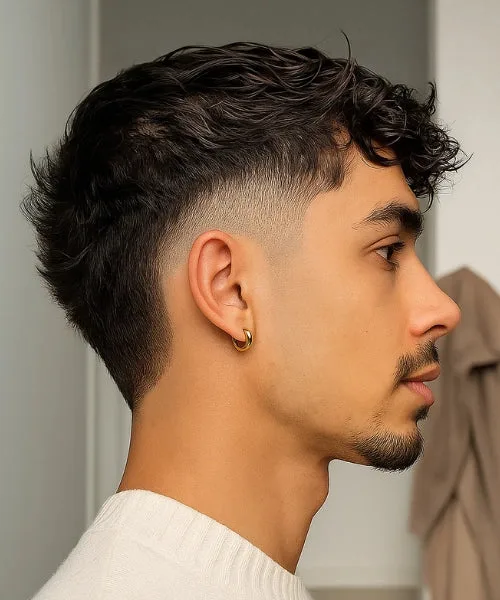
For a bit of character, the temple fade mullet pairs sharp edges with playful length at the back. The temple fade keeps the look polished while the longer back layers add individuality — a confident blend of classic and bold. Good for trend-driven guys or teens who want a standout style that stays clean.
Buzz Cut Temple Fade Haircut
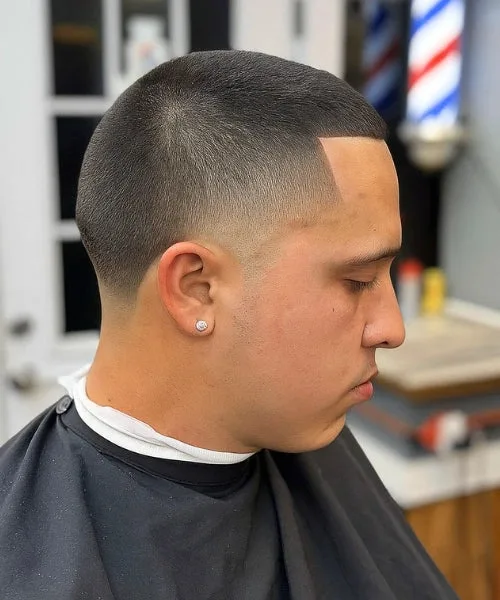
The temple fade buzz cut proves simplicity can still get noticed. The short, even top contrasts neatly with the faded temples, playing up your facial structure and symmetry — sharp, minimal, and almost no daily effort. Maintain the fade every couple of weeks for a crisp outline. Best if you prefer low-maintenance grooming but still want a strong, defined cut.
Temple Fade with Line Up
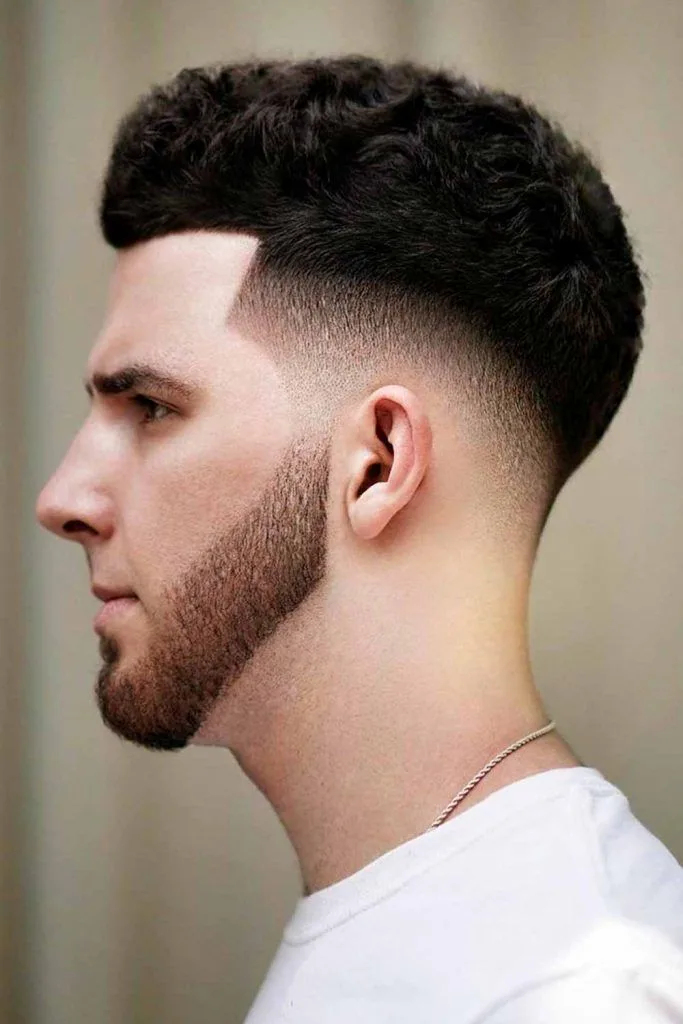
A temple fade with a line-up adds sharper detail. The fade blends softly into the sides while the line-up frames the forehead and temples with razor precision, playing up symmetry for a clean, camera-ready finish. Good if you like a sharp, controlled look that highlights the facial angles and works casual or formal.
Temple Fade Long Hair
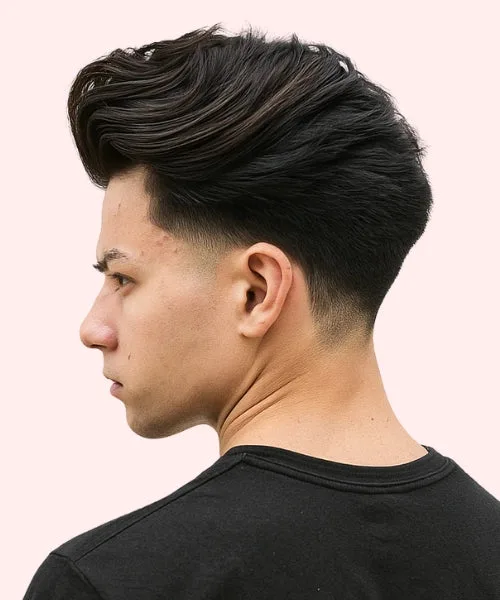
If you prefer more length on top, the long-hair temple fade gives you a bit of both. The fade keeps the sides clean and tapered while the top flows naturally with texture and volume — perfect if you’re growing your hair out but still want structure. Best for straight or wavy long hair that you want polished but relaxed.
Temple Fade with Twist
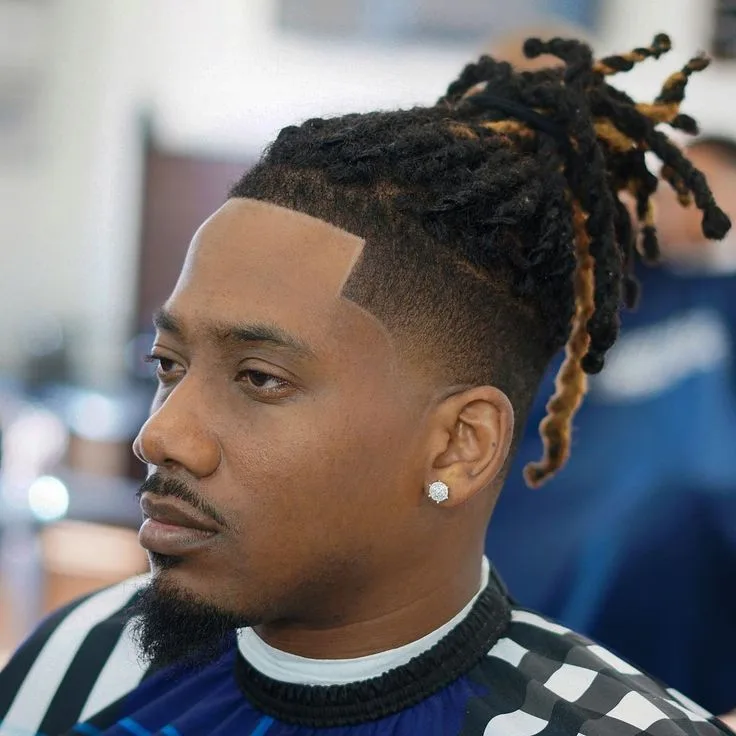
For a playful texture, the temple fade with twists brings movement and personality. The twisted strands on top contrast with the sharp temple fade for a bold but balanced look. A light styling cream defines each twist and holds the shape. Great for short to medium hair when you like creative, textured styles.
Temple Fade Taper
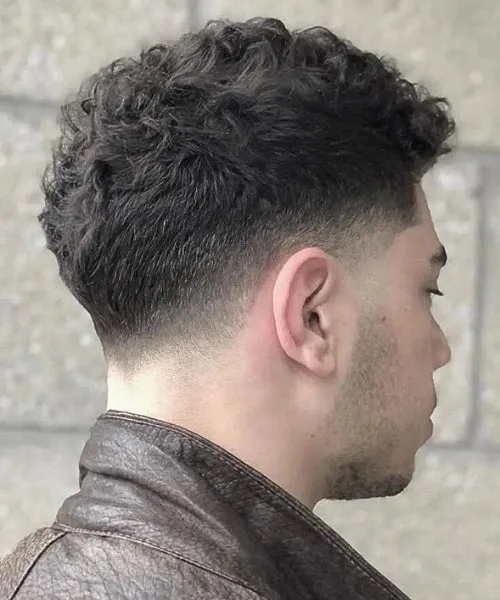
The temple fade taper delivers a cleaner, more gradual blend, softening the transition from temple to neckline for a polished, versatile finish — sharp edges without harsh contrast. Pair it with a short crop, comb-over, or wavy top. Ideal for professionals or fine to medium hair that wants something neat but stylish.
Blowout Temple Fade Haircut
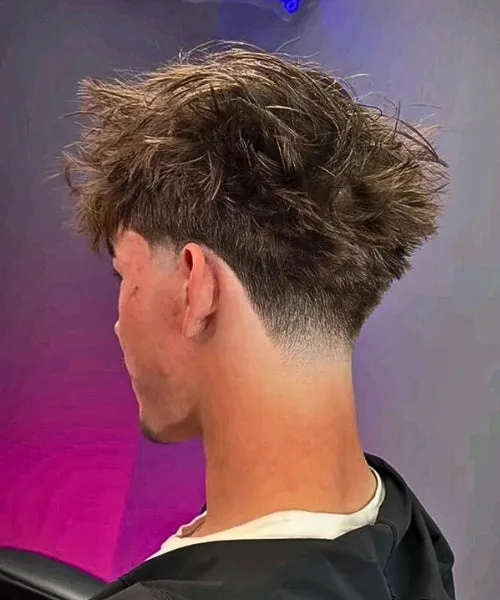
The temple fade blowout mixes tight faded sides with a lifted, airy top, giving the cut energy and presence while keeping the edges controlled. Use a blow-dryer and texture powder for lift, then a molding paste for natural hold. Best for straight or wavy hair that wants high volume but a clean outline. For more, see our blowout taper haircut styles guide.
Braids Temple Fade Haircut
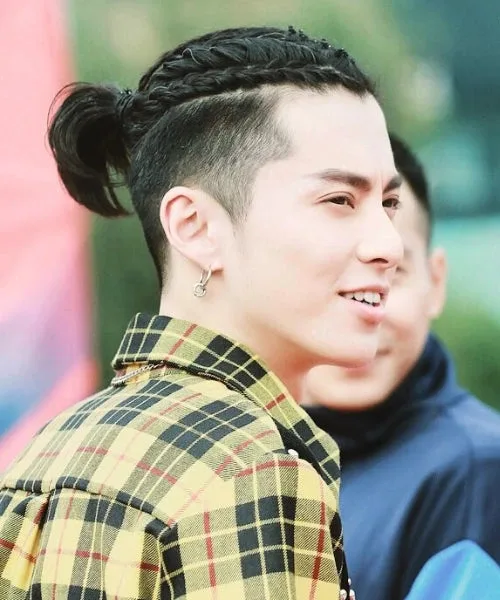
The temple fade with braids brings structure and culture together. The sharp fade plays up the braid pattern and keeps the sides crisp while the top shows off texture. Regular scalp hydration keeps both fade and braids healthy. Great if you wear protective styles or want something defined and low-maintenance.
Curly Temple Fade Haircut
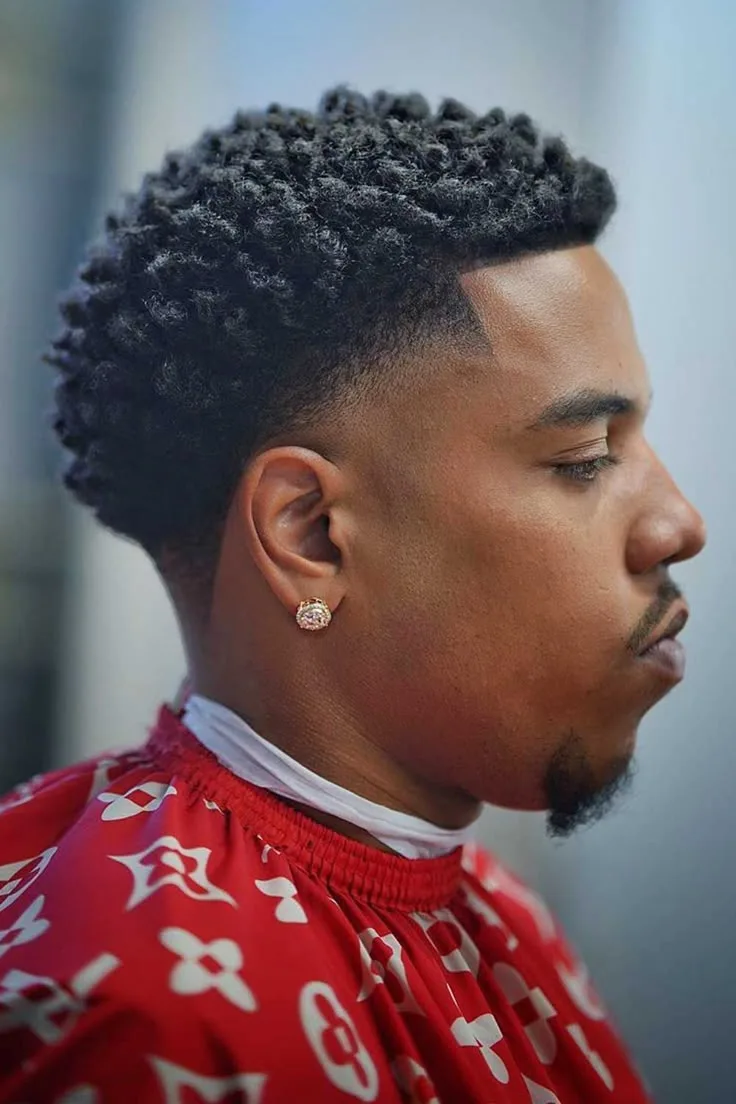
The curly temple fade brings out the best in natural curls. The fade frames the sides and temples while the curls add texture and movement on top — sharp but effortless, showing off your pattern without bulk. A curl-defining cream keeps the coils hydrated and shaped. Best for medium to tight curls that want structure at the edges and volume up top. You can also try our mid taper fade for curly hair.
Temple Fade Black Male
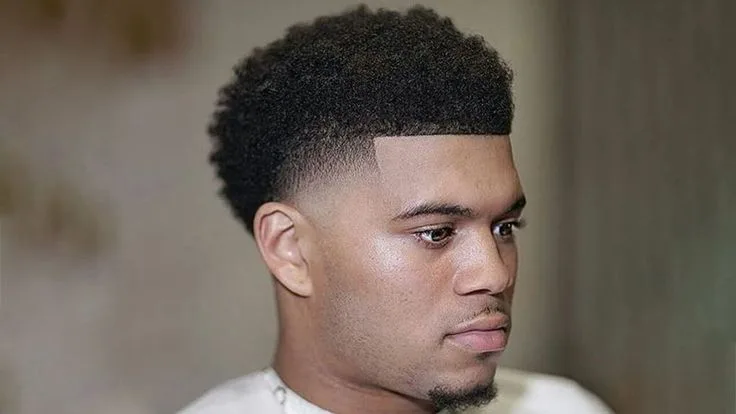
The temple fade is a cornerstone of men’s grooming — clean, timeless, and easy to personalise, whether with waves, a short afro, or twists. It plays up facial definition while keeping a polished finish that suits any setting. Many also try our low taper fade for Black men for a cleaner, softer outline. Best for a classic, low-maintenance cut that blends sharp detail with natural style.
Short Temple Fade Haircut
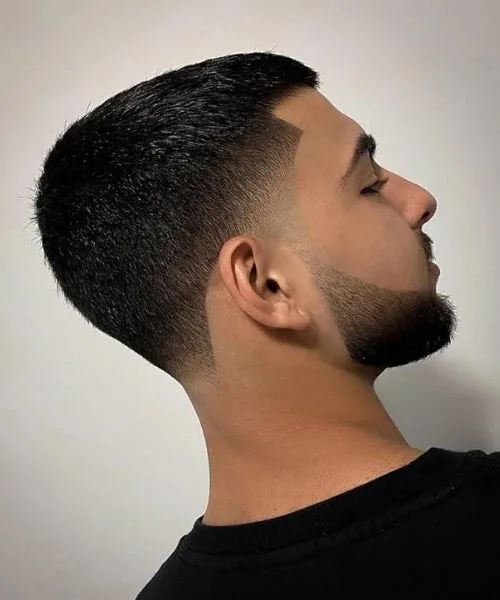
The short temple fade keeps things simple and sharp. The shorter top pairs perfectly with faded temples for a neat, balanced shape that’s easy to maintain. A touch of matte clay or styling cream adds texture without shine. Good if you prefer clean, no-fuss grooming that still looks intentional.
Temple Fade Black Hair

On coarse or coily hair, the temple fade plays up clean contrast and natural texture. The fade frames the temples while the top stays rich and defined — waves, coils, or twists — and it holds its shape even as it grows out. One of the most practical options for everyday wear when you want a defined fade.
Temple Blowout Afro Taper Fade
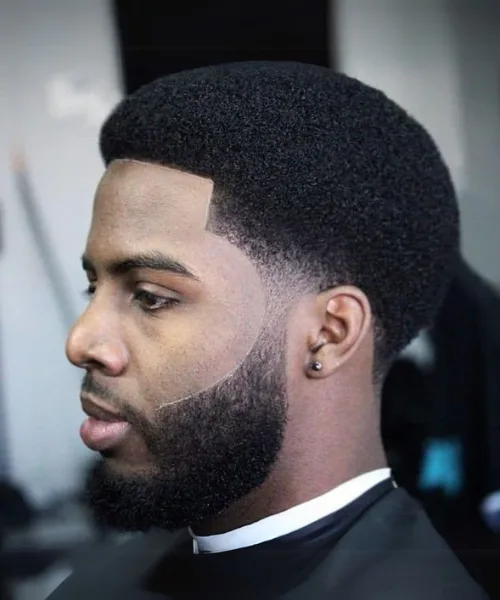
The blowout afro temple fade adds controlled height and movement. The fade around the temples and neckline keeps the outline crisp while the blowout top creates natural lift — stylish, bold, and easy to restyle. Great for afro or curly textures that enjoy volume and want a fade that blends structure with expression.
Short Textured Mullet Temple Fade
The short textured mullet temple fade is a creative twist on the classic. The temple taper keeps the sides tidy while the textured mullet at the back adds an edgy, modern vibe — nostalgic and forward-looking at once. Good for straight or wavy hair when you want something unique but balanced.
Burst Temp Fade Haircut
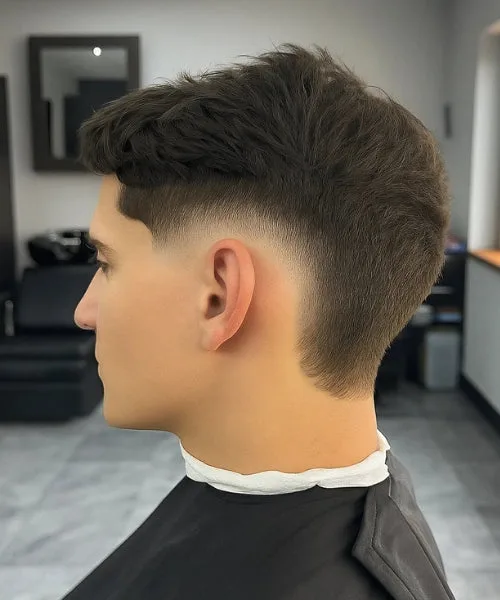
The burst temple fade gives a bold, rounded shape that curves neatly around the ears. The fade blends into the top with subtle lift for dynamic contrast and a bit of flair — modern but still polished, clean from every angle. Great if you like eye-catching fades that play up the temple area. If you like rounded or drop-style fades, see our drop fade haircuts.
Buzz Cut Temp Fade
The buzz cut temple fade shows simplicity and sharpness can coexist. The short buzzed top pairs with faded temples to play up symmetry and bone structure — always fresh, even with minimal upkeep. A lightweight grooming cream keeps it smooth. Best for low-maintenance, confident styles that stay sharp in any season.
Comb Over Temple Fade
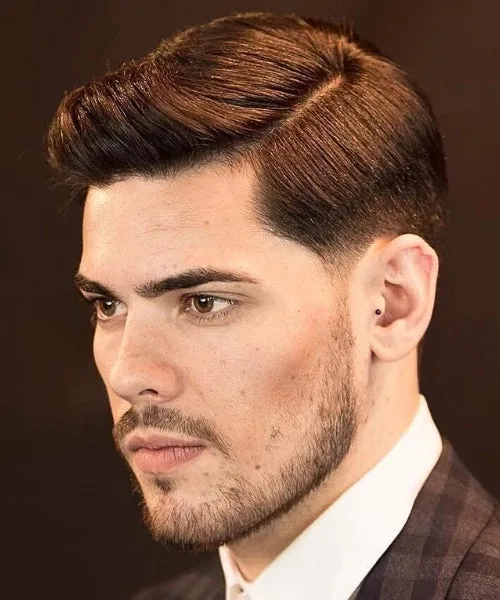
For structure with a bit of sophistication, the comb-over temple fade is clean and modern. The fade sharpens the sides while the textured top adds movement and polish — a nice balance of classic and contemporary that’s easy to style but refined enough for work. Use a lightweight cream or pomade. Best for straight or slightly wavy hair that moves easily from office to evening.
Low Temp Fade Haircut
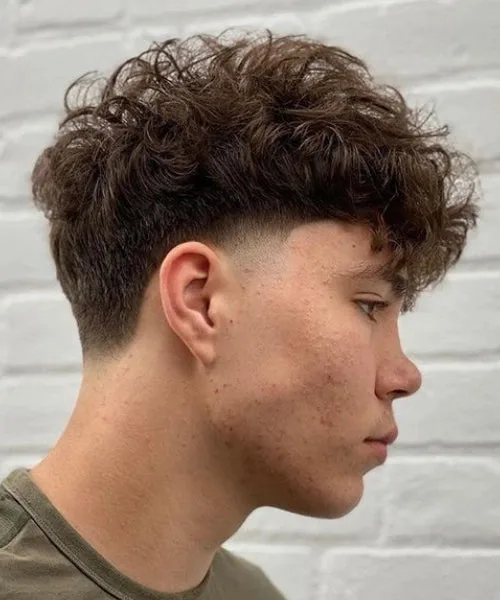
If you like subtle fades with natural flow, the low temple fade fits. The taper sits closer to the ears, blending softly for a neat, balanced shape, while the top keeps enough volume for curls, waves, or straight hair without harsh contrast. A touch of texture powder keeps the lift effortless. Great for a low-maintenance everyday fade. Similar subtle looks include our low taper fade fringe haircuts.
Mid Temp Fade Haircut
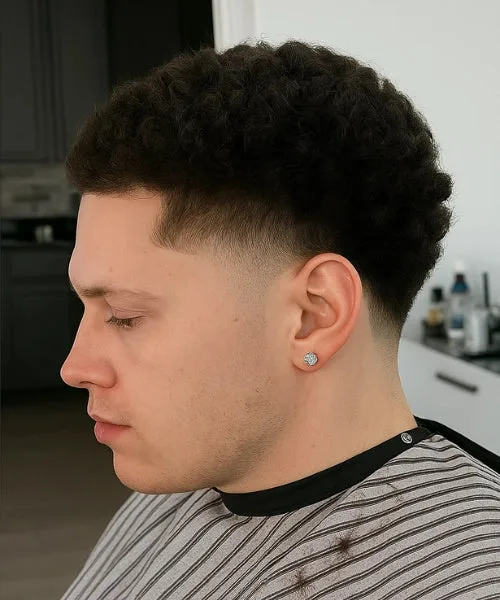
Between subtle and bold sits the mid temple fade — the sweet spot. It tapers smoothly around the temples and sides for a modern, versatile look that works across all textures, adding structure without overdoing it. Finish with a little molding paste for control and shape. Great for straight, curly, or wavy hair that wants something adaptable. For a similar smooth blend, see our mid taper fade haircuts.
High Temp Fade Haircut
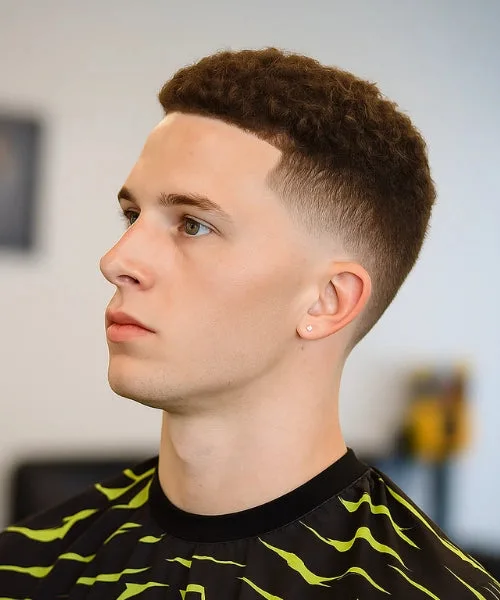
For stronger contrast, the high temple fade pushes the fade line higher around the temples for a bolder edge — crisp, confident, and sharp, great for adding definition and lift to curls or textured tops. Use a control spray or light pomade to lock the shape. Best for younger guys or anyone wanting an edgy, statement fade. For sharper contrast, our skin fade haircuts give an ultra-defined version.
Maintenance & Styling Tips for Temple Fade Haircuts
Keeping a temple fade sharp comes down to consistency and care. A few simple habits make it last longer between barber visits:
- Trim every 2 to 3 weeks to maintain the clean blend and crisp temple lines.
- Use light styling products like matte clay, texture powder, or curl cream depending on your hair type. Avoid heavy gels that stiffen the fade or make it look uneven.
- Blow-dry for shape and lift, especially if you wear your fade with curls, twists, or longer tops. Always use a heat protectant spray first.
- Moisturize your scalp with hydrating oil or serum to keep the faded areas healthy and smooth.
- Sleep on a satin or silk pillowcase to reduce friction and keep edges neat overnight.
- Clean up the neckline every 10–14 days with a small trimmer for that barbershop-fresh finish.
Pro tip:
For afro, curly, or coarse hair, use a hydrating argan or coconut oil for shine and to prevent dryness. For straight or fine hair, a light sea salt spray or matte clay adds definition without weight.
How to Ask Your Barber for a Temple Fade
Getting the right temple fade starts with clear communication. Barbers know the fade, but everyone’s idea of “low,” “mid,” or “high” is a little different — so being specific helps you get exactly what you want.
When you sit down, start with something like:
“I’d like a temple fade that tapers around the temples and sideburns, blending softly into the sides. Keep more length on top so it looks clean but still has shape.”
Then mention a few details to personalise it:
- Whether you prefer a low, mid, or high temple fade
- If you want a line-up, part, or natural edge finish
- How you usually style your hair — blow-dried, air-dried, or natural
- The kind of finish you like — matte, natural, or slight shine
Pro tip: bring 2–3 reference photos. Pictures make it easy for your barber to match the fade height, shape, and temple detail to your exact style.
That small step keeps the fade balanced, clean, and suited to your face and hair type every time.
Face Shape and Personality Match
Choosing the right temple fade isn’t just about fade height — it’s about matching your face shape and personality. The right balance makes the cut look intentional and effortless.
Oval face:
Almost every version works here. Try a mid temple fade or a taper with a textured or brushed-up top to play up your symmetry.
Round face:
A little height adds length and structure. A curly temple fade or one with a quiff sharpens the lines and makes the face look more defined.
Square face:
A strong jaw pairs best with softer outlines. A temple fade with dreads or an afro keeps the edges neat while balancing the angles.
Rectangular (oblong) face:
Avoid too much height — go for width and texture. A temple fade with twists or a curly version keeps the proportions even.
Diamond or triangular face:
Volume on top softens the cheekbones. Try a blowout afro temple fade or a temple fade mullet for a confident, modern silhouette.
For middle-part styles or longer tops, our middle part taper fade creates a natural, flattering balance. Your fade should reflect your lifestyle too — sharp and polished for work, more relaxed and textured for casual settings.
Common Mistakes to Avoid
Even a small misstep can throw off a clean temple fade. A few things to watch for before and after your cut:
- Starting the fade too high — it removes the natural balance that makes a temple fade stand out.
- Uneven blending — patchy transitions can ruin the fade’s smooth flow, especially on straight hair.
- Using heavy styling gels — they flatten the hair and make the fade look stiff instead of defined.
- Skipping regular trims — temple fades lose shape quickly if edges aren’t maintained every few weeks.
- Ignoring hair texture — curly, afro, and straight hair all fade differently; product choice and technique matter.
Keeping it balanced, natural, and regularly cleaned up is what separates a good cut from a great one.
Personality Match
Your haircut should fit your energy as much as your face. The temple fade adapts easily to different personalities and routines — clean precision or laid-back texture.
Polished:
Go for refined looks like the line-up, comb-over, or taper version. They read confident and professional — ideal if you prefer neat, timeless cuts.
Bold:
Try statement styles like the mullet, burst, or twist versions. They show creativity while staying sharp around the edges.
Easygoing:
If you like effortless grooming, pick relaxed versions like the curly, short, or long-hair temple fade. They keep definition without daily styling.
Picking a style that matches your personality makes the fade feel natural rather than forced, and helps you wear it with real confidence.
Frequently Asked Questions (FAQs) About Temple Fade Haircuts
Q: What is a temple fade haircut?
A: A temple fade haircut tapers closely around the temples and sideburns, blending into the rest of the hair for a clean, balanced outline. It creates sharp definition without removing too much length from the sides or top.
Q: What’s the difference between a temple fade and a taper fade?
A: The temple fade vs taper fade difference lies in placement. A temple fade focuses on the temples and hairline for sharper contrast, while a taper fade gradually blends the sides and neckline for a softer look.
Q: Who does the temple fade suit best?
A: It suits nearly every face shape — especially oval, square, and round — and works on straight, curly, or afro-textured hair. You can customize it as a low temple fade, mid temple fade, or high temple fade depending on how much contrast you like.
Q: Does a temple fade work with curly or afro hair?
A: Absolutely. A temple fade curly hair or temple fade afro look enhances natural texture while keeping the outline neat. Moisturizing creams or curl-defining products help maintain shape and shine.
Q: Can you pair a temple fade with dreads or braids?
A: Yes. A temple fade with dreads or temple fade braids creates a clean frame around textured styles. The fade adds polish and helps the top stand out without looking bulky.
Q: How often should I get my temple fade touched up?
A: Every 2–3 weeks is ideal. Regular trims keep edges sharp and the fade consistent, especially if you have fast-growing or thick hair.
Q: What styling products work best for temple fades?
A: For straight or fine hair, use matte clay or texture powder for volume. For curly or coarse hair, choose curl cream or hydrating oil. Avoid heavy gels that stiffen the fade and make it lose shape.
Q: Can I get a temple fade if my hair is short?
A: Definitely. A short temple fade or buzz cut temp fade gives structure and clean definition, making short hair look fresh and intentional.
Q: What’s a good way to describe the fade to my barber?
A: Ask for a temple taper fade or temple fade haircut that tapers around the temples and blends smoothly into the sides, keeping the top length natural. Bringing a photo always helps.
Q: Why is the temple fade so popular?
A: It’s timeless, easy to maintain, and adaptable. Whether you wear curls, straight hair, or dreads, the men’s temple fade adds structure, balance, and modern edge — making it one of the most versatile fades for 2026.
The temple fade isn’t just a grooming trend — it’s a timeless cut built on precision, confidence, and individuality. Low, curly, or a bold mullet, the key is balance: clean edges, natural flow, and consistent care.
With the right barber, regular trims, and styling that fits your hair type, it becomes more than a haircut — a personal signature that works in any setting, grows out evenly, and gives that sharp, easy finish.
Written by the Taper Haircut editorial team. We research barbering techniques and test styling products in real-world settings to give practical grooming advice that actually holds up.