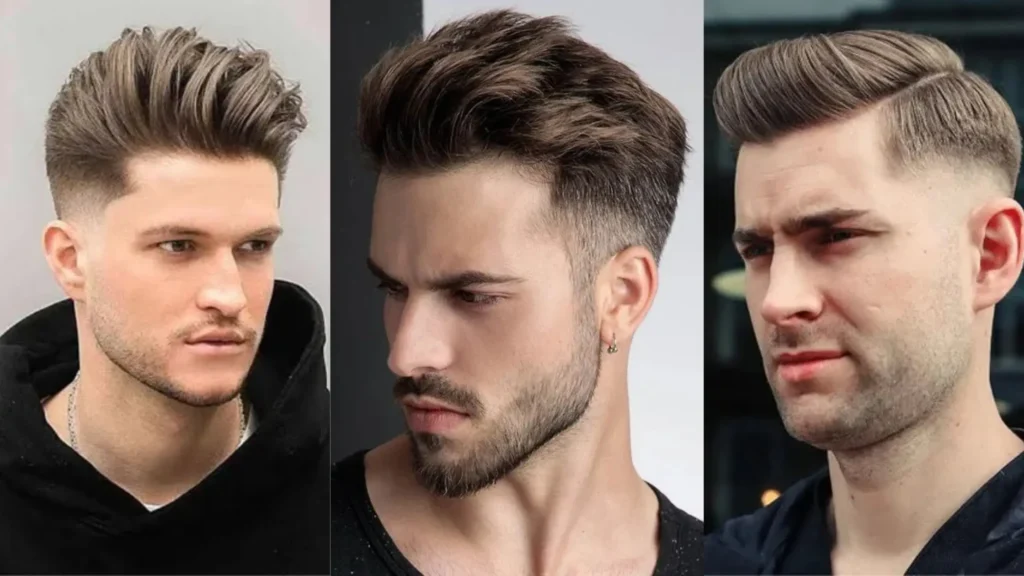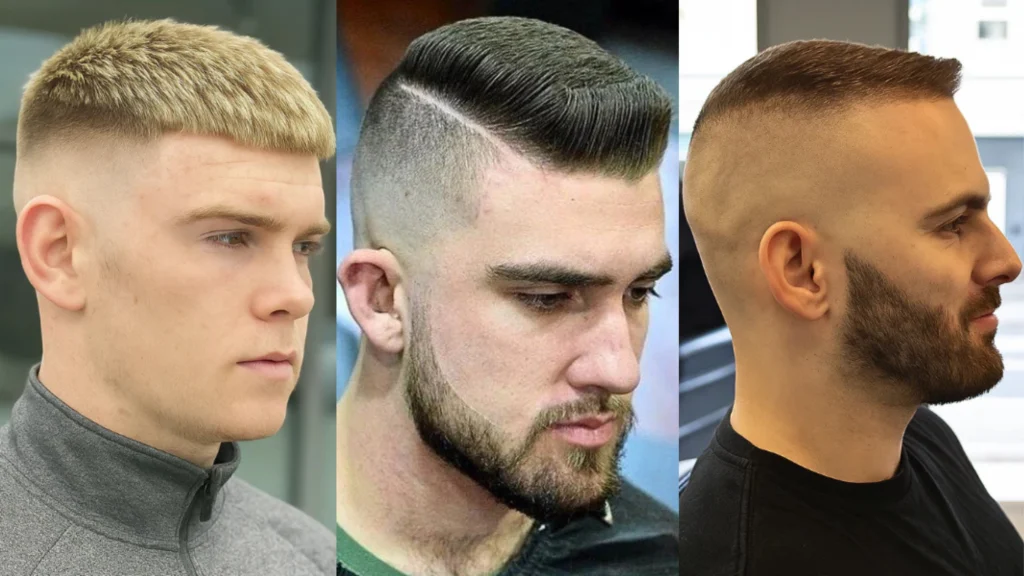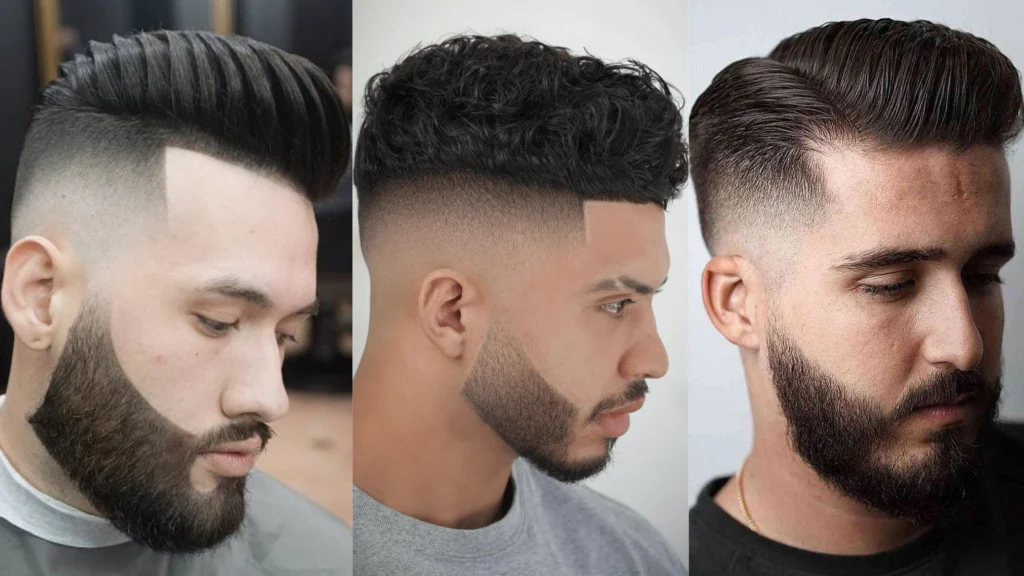
If you’ve been after a haircut that’s sharp, low-maintenance, and full of style, the low taper fade with a textured fringe is it. It’s that rare mix of clean edges and easy movement — the kind of cut that looks deliberately styled even when you barely touch it. The fade starts low around the ears, blending smoothly toward the neckline for a polished base, while the textured fringe brings volume and personality to the front.
You’ve probably seen it on athletes, models, and influencers, but what makes it stand out isn’t just the trend — it’s how easily it adapts to any hair type or face shape. Straight, wavy, or curly, it frames your features while keeping everything light and natural.
Think of it as the modern upgrade to the classic fringe: clean enough for the office, cool enough for nights out, and simple enough to style every day. Balanced, flattering, and quietly confident — exactly why it’s one of 2026’s most in-demand men’s cuts.
In this guide you’ll learn everything about the low taper fade with a textured fringe — what it is, why it works so well, the best variations to try, styling and maintenance tips, and how to ask your barber for it.
What is Textured Fringe?
A textured fringe is where the front of your hair (the fringe or bangs) is cut in short, uneven layers for a natural, slightly messy look.
Instead of straight and flat, it has movement and volume — the texture makes the hair look fuller and easier to style.
It works on all hair types — straight, wavy, or curly — and gives the cut a relaxed, modern feel. Paired with a low taper fade, the sides stay clean while the top looks soft and stylish.
Why it works for low taper fade with textured fringe
The low taper fade with a textured fringe works because it combines balance, shape, and texture in one clean style.
- The low taper fade keeps the sides short and neat, which gives your face a sharper, cleaner outline.
- The textured fringe adds volume and movement on top, making your hair look fuller and more natural.
- Together, they create contrast, short and smooth on the sides, soft and stylish in the front, which makes the haircut stand out without looking overdone.
It also works on almost every hair type and face shape. The fade frames the face while the fringe helps balance features like a high forehead or strong jaw. It’s easy to style, grows out neatly, and looks good casual or professional. Want to compare other fade types? See our skin fade haircuts and mid taper fade haircuts.
Recommended Styling Products
Key Benefits
Key benefits of the low taper fade with a textured fringe:
- Looks clean and modern: The fade gives sharp sides and a fresh outline.
- Adds texture and fullness: The fringe makes the hair look thicker and more natural.
- Easy to style: Just use a bit of matte clay or sea salt spray.
- Works on any hair type: Straight, wavy, or curly — it fits all.
- Flatters most face shapes: It can soften or define your features.
- Grows out nicely: Even after a few weeks, it still looks neat and stylish.
Table of Contents
Classic Short Textured Fringe with Low Taper Fade
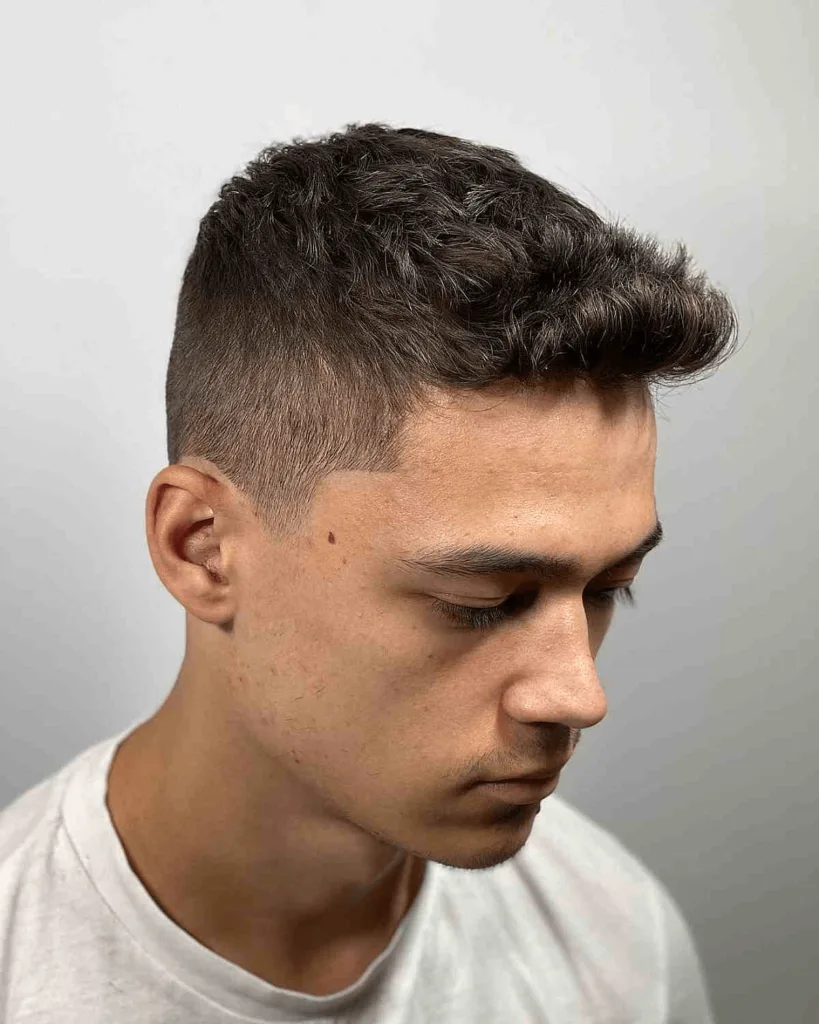
Clean, structured, and timeless, the classic version keeps things simple without losing style. The short textured fringe with a low taper gives a sharp outline around the ears and neckline while keeping the fringe short and light up front. The texture adds movement without extra volume, ideal for straight or fine hair — a great pick if you want something easy to maintain but stylish anywhere.
It works best on oval or heart-shaped faces, adding natural balance without much effort. For more, see our full guide to low taper fade fringe haircuts.
Messy Low Taper Fade with Textured Fringe
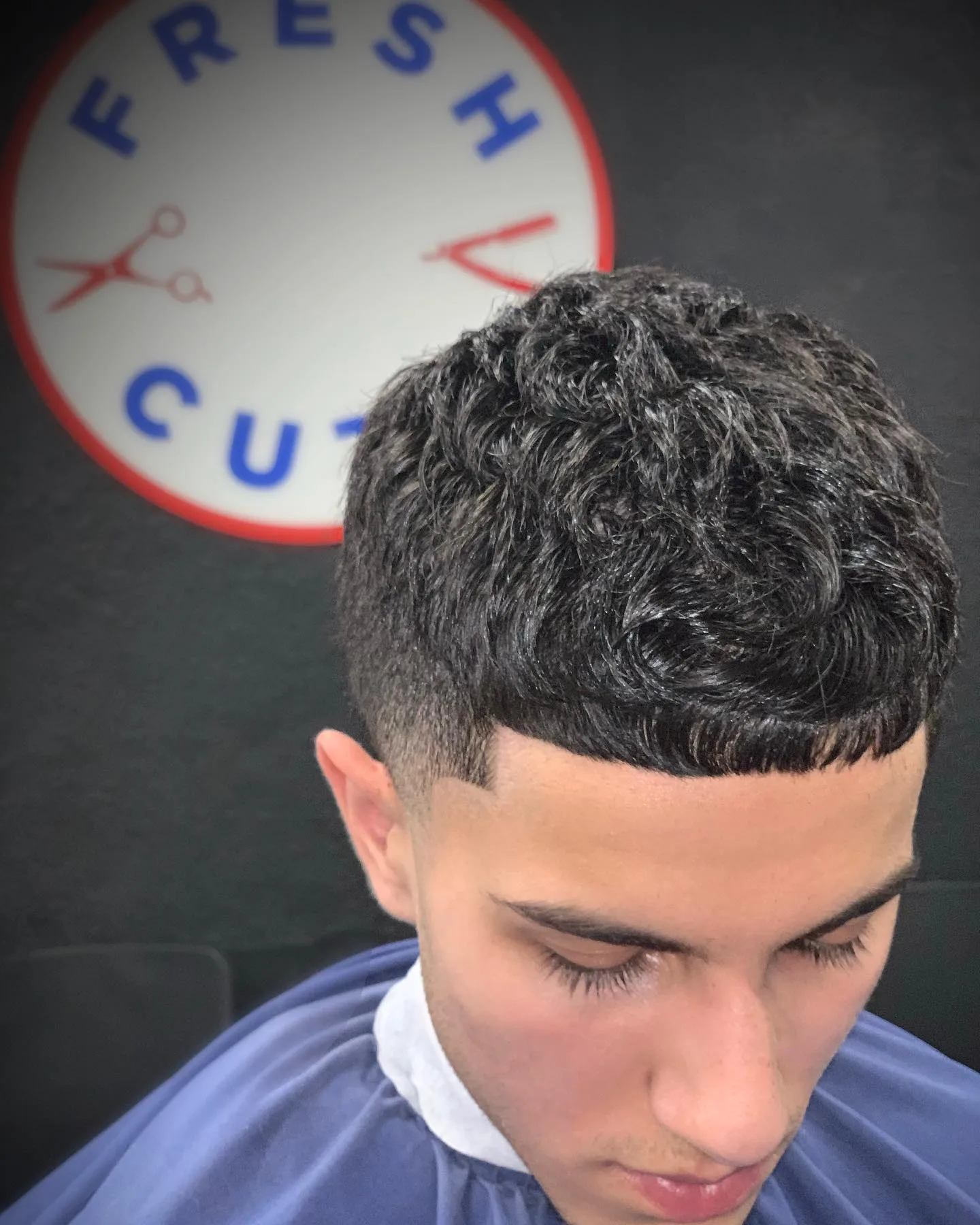
More relaxed but just as stylish, the messy version is for a laid-back finish. The sides stay neat and low-faded while the top has loose, tousled layers that fall forward naturally — the kind of cut that looks even better as the day goes on. A bit of sea salt spray or matte clay brings out the texture without making it stiff. It’s best on medium to thick hair and suits round or square faces by adding shape and flow.
Curly Textured Fringe with Low Fade
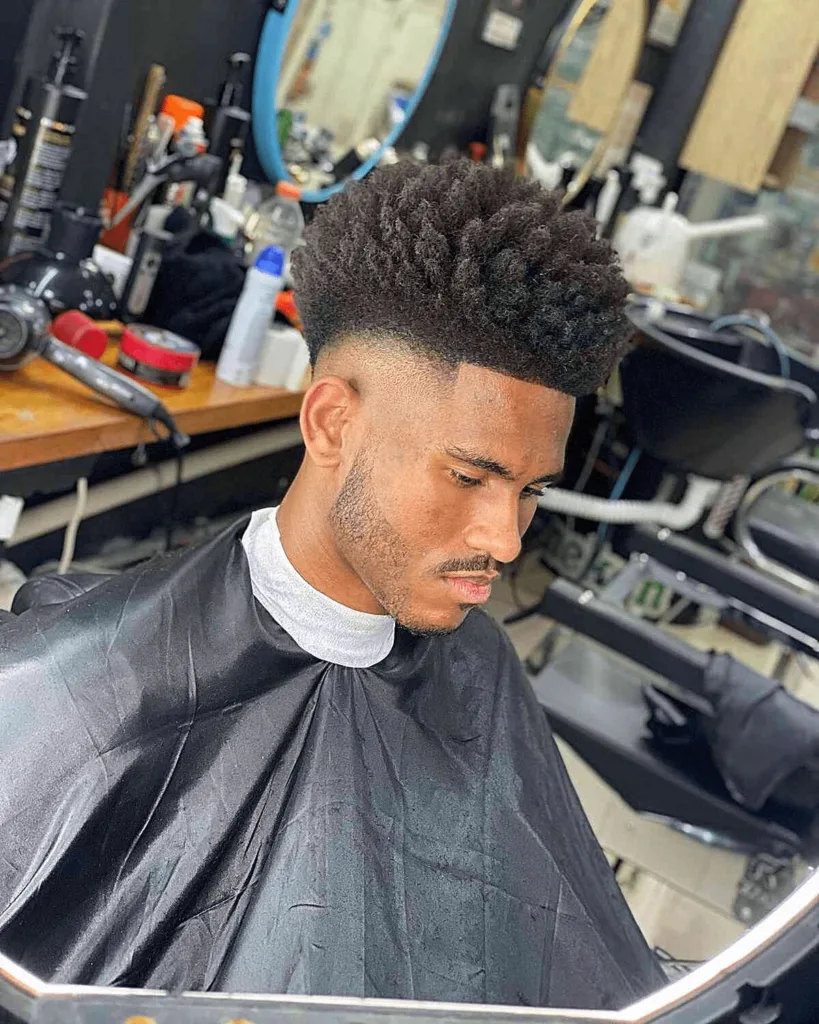
Curly hair brings this look to life. The curls take centre stage while the fade keeps the shape clean, and the soft transition around the ears balances the fuller top, framing the face nicely. It works perfectly on diamond or oval faces, since the fringe softens the angles. Use a lightweight curl cream or mousse to define each curl without weighing it down. Love textured curls? Our afro taper fade haircuts guide shows more ways to style natural texture with clean fades.
Wavy Textured Fringe with Low Fade
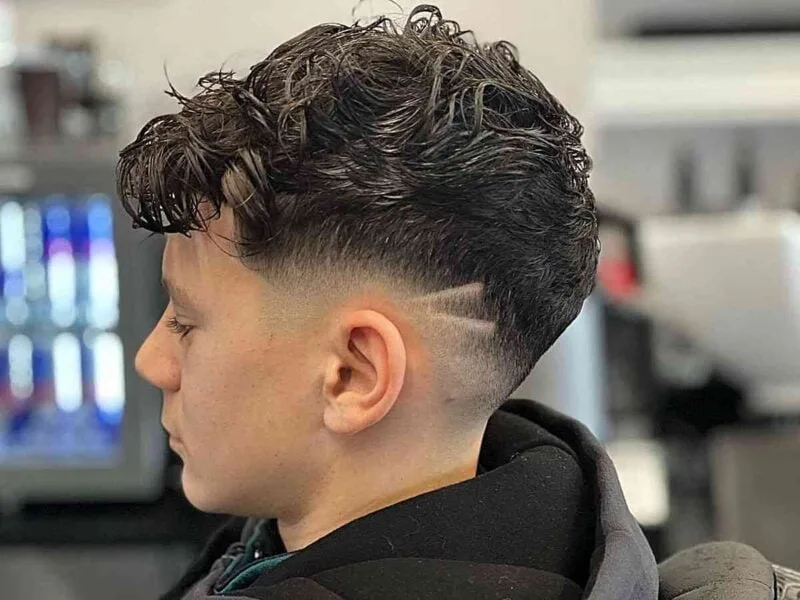
Natural waves and a low fade are a perfect match. The wavy version keeps the sides tight while the top flows freely, and the wave pattern gives the cut motion and a slightly beachy edge that feels effortless but intentional. It’s ideal for medium-density hair and an easy everyday style that shifts from casual to smart in minutes. It looks great on rectangular or longer faces, since the wave and fringe help create balance.
Spiky Low Taper Fade with Textured Fringe
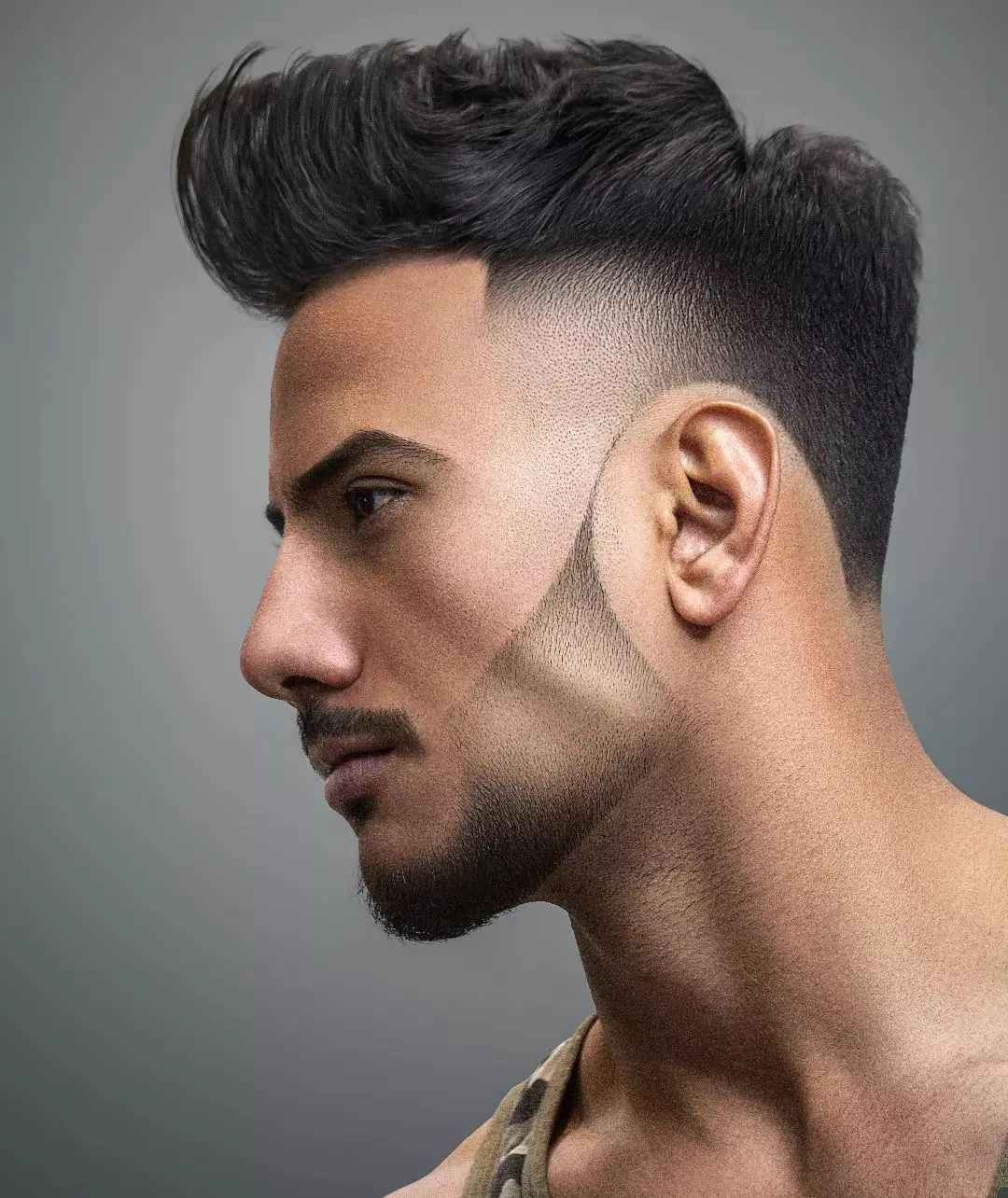
This one adds attitude. The spiky version is great if you like structure and energy. The sides are faded low and neat while the front spikes up and forward with a slightly rough texture — modern, confident, and surprisingly easy to maintain. A small amount of matte paste gives definition without stiffness. It suits round or oval faces best, since the height lengthens the features for a sharp, bold impression.
Faux Hawk Textured Fringe with Low Fade
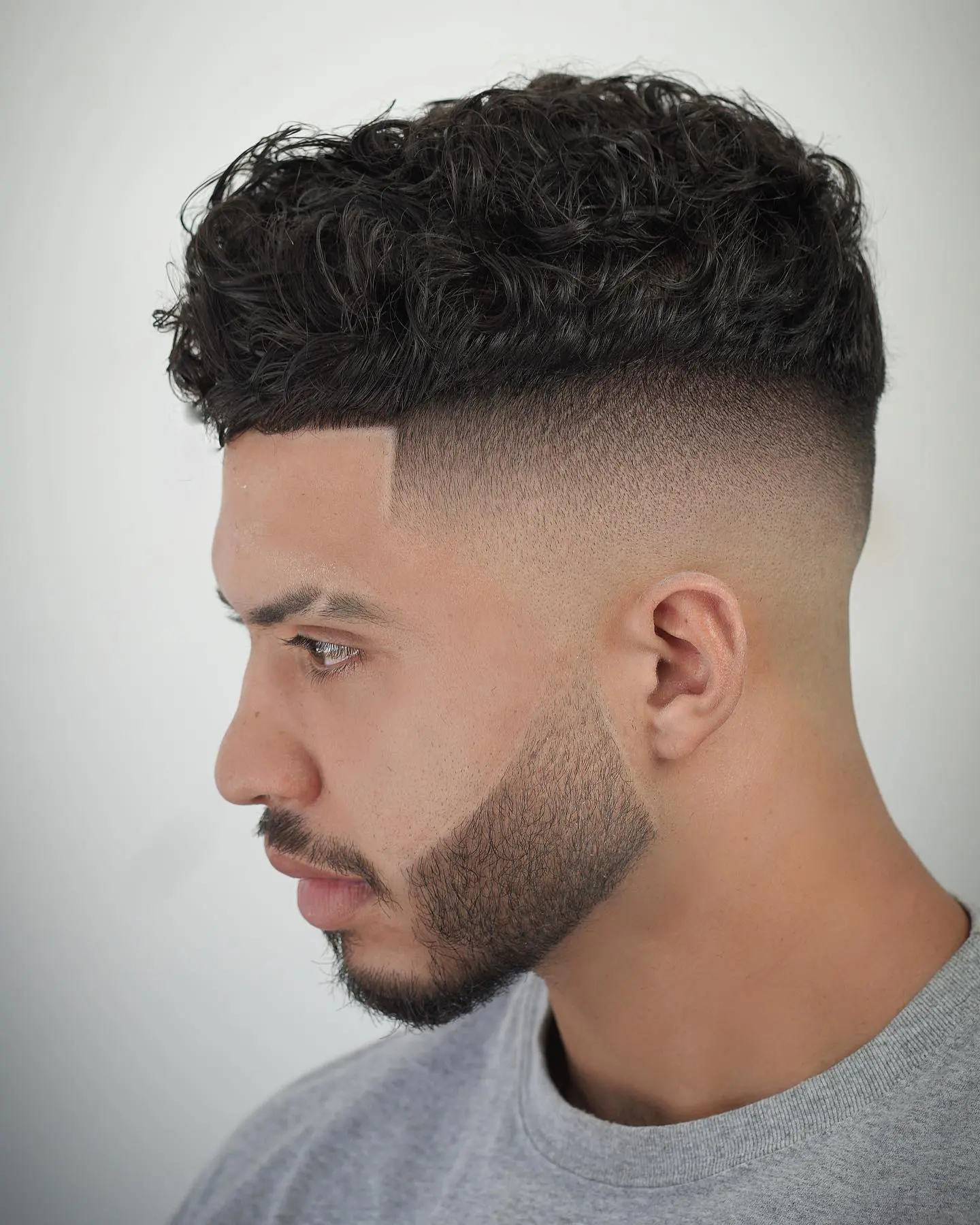
For a bit of edge without going overboard, the faux hawk version is just right. The fade sits low to keep the sides clean while the top builds into a narrow ridge that pushes forward into a textured fringe — bold but controlled. The added height through the centre lengthens the face, which is great for round or square shapes. Use a strong-hold matte clay to keep the faux hawk in shape while the fringe stays soft up front.
A common barber tip: don’t ask for too much length in front. Keep the fringe slightly above the brows so it moves naturally without blocking the face — the low taper adds the structure that keeps the whole thing clean.
Brushed Up Textured Fringe with Low Fade
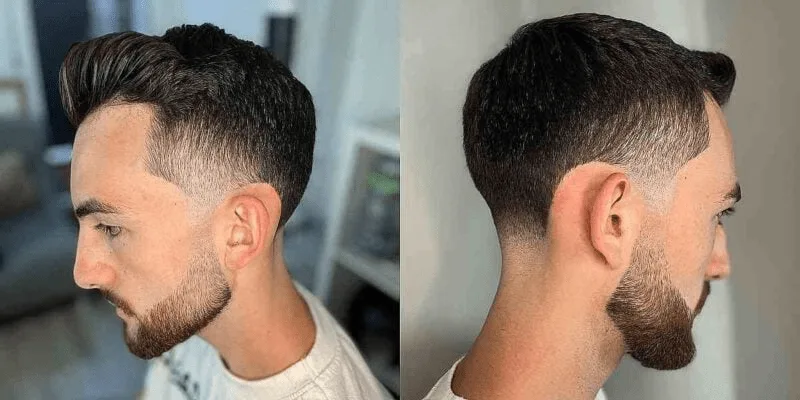
Adding lift to the front changes the whole feel. In the brushed-up version, the hair at the front is gently blown up and away from the forehead, blending movement with structure. The low fade keeps things polished while the raised fringe gives a youthful, open look. It’s a solid pick for straight or fine hair that needs extra volume — a lightweight styling powder or volumizing spray holds the lift without stiffness. It works best on oval or rectangular faces, balancing length with controlled height.
Textured Fringe with Shaved Design and Low Fade
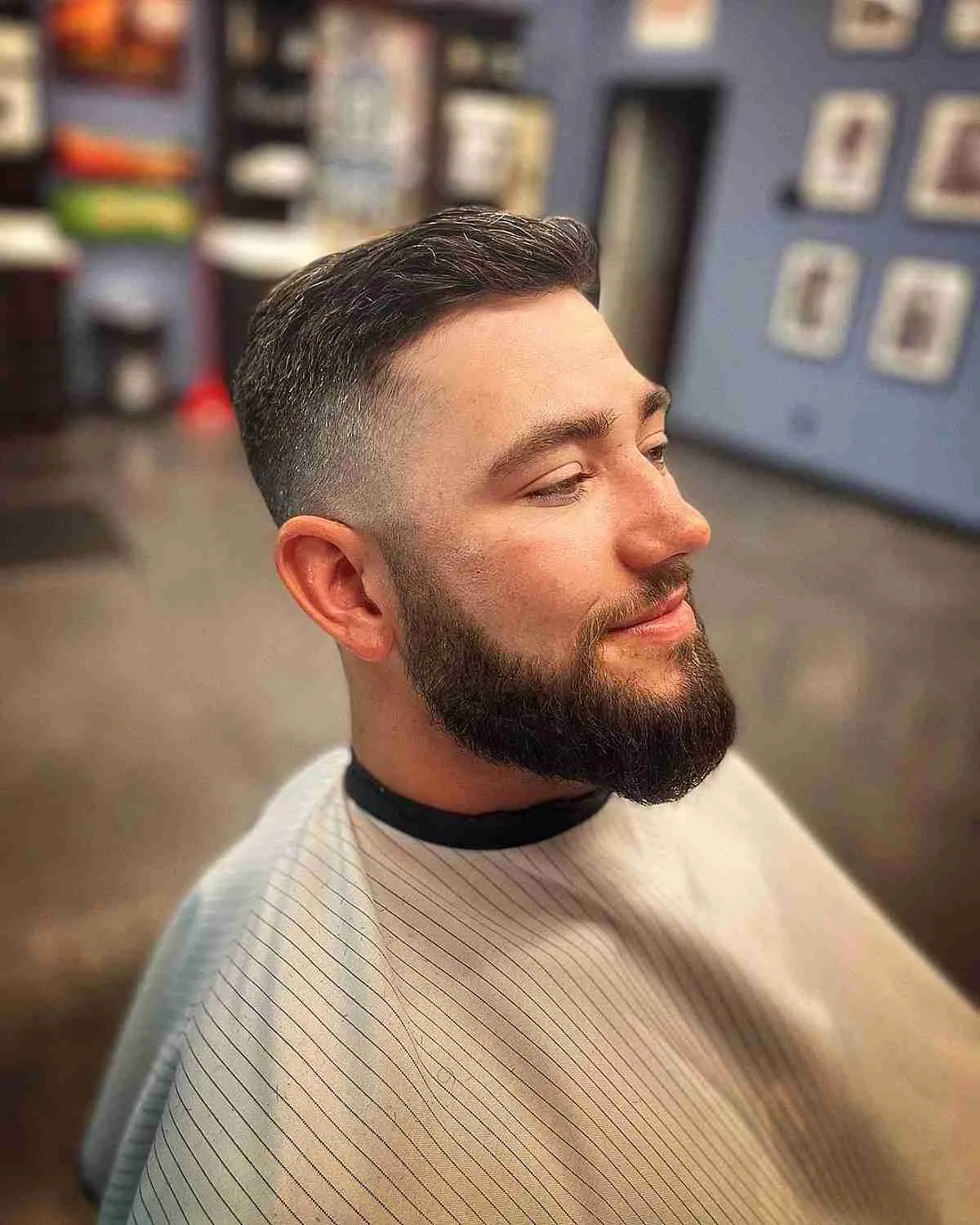
If you like creative detail, the textured fringe with a shaved design brings personality to a classic base. The low fade gives a clean transition while shaved lines or geometric designs on the sides add a custom touch, and the layered fringe up top softens the boldness below. It suits confident, expressive tastes and looks best on medium or thick hair that holds a clear shape. Keep the design crisp with touch-ups every two to three weeks.
Textured Fringe with Burst Fade
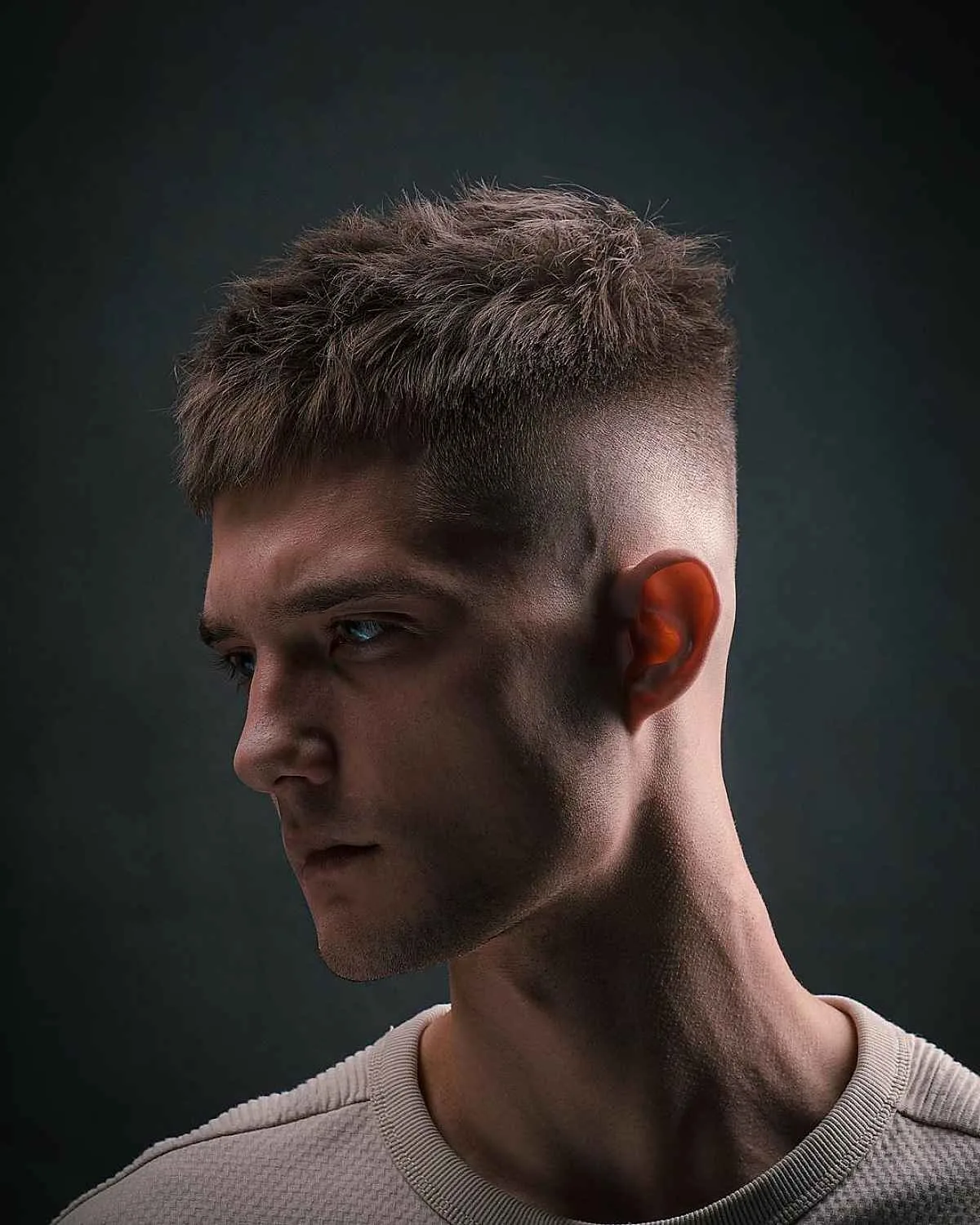
The burst-fade version creates a stylish round contour around the ears that blends into the textured top. The burst fade follows the curve of the head for a clean, modern look while the fringe adds movement and depth in front. It works particularly well on thicker or wavier hair, keeping the volume balanced while the fringe frames the forehead.
It’s a smart pick for oval or triangle-shaped faces, where soft layers add dimension. Use a matte clay for separation and a little hairspray for all-day hold. If you like this fade pattern, see how it compares to our mid taper fade with straight hair — a clean, structured alternative.
Textured Fringe with Mid Fade
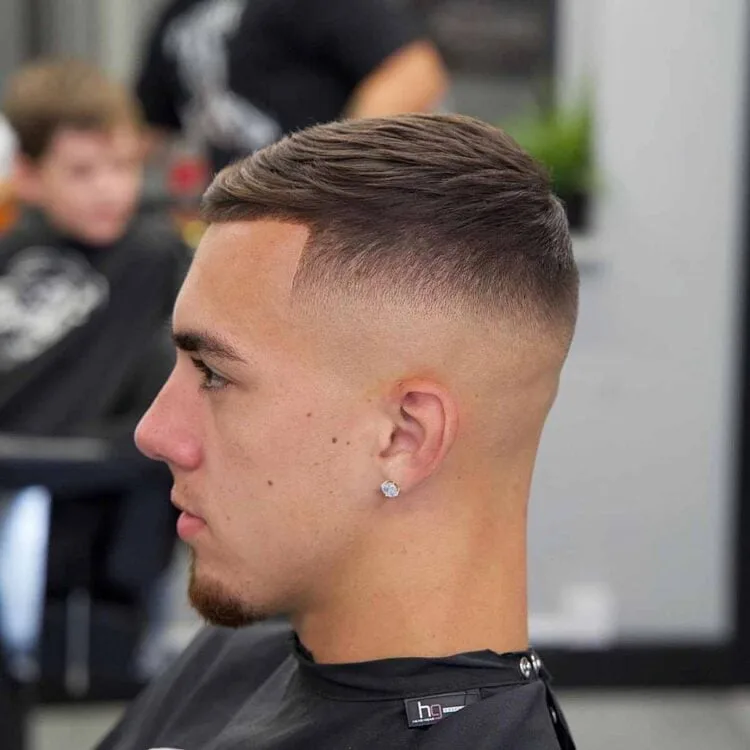
For a bit more contrast, the mid-fade version sits between subtle and bold. The fade starts slightly higher than a low fade, giving the sides more definition while the textured fringe keeps the focus up front — versatile, clean, and great if you want a visible gradient without losing length. It suits most hair types, especially fine or straight hair that needs shape and volume. Pair it with a matte cream for a smooth, natural finish, casual or professional.
Textured Fringe with High Fade
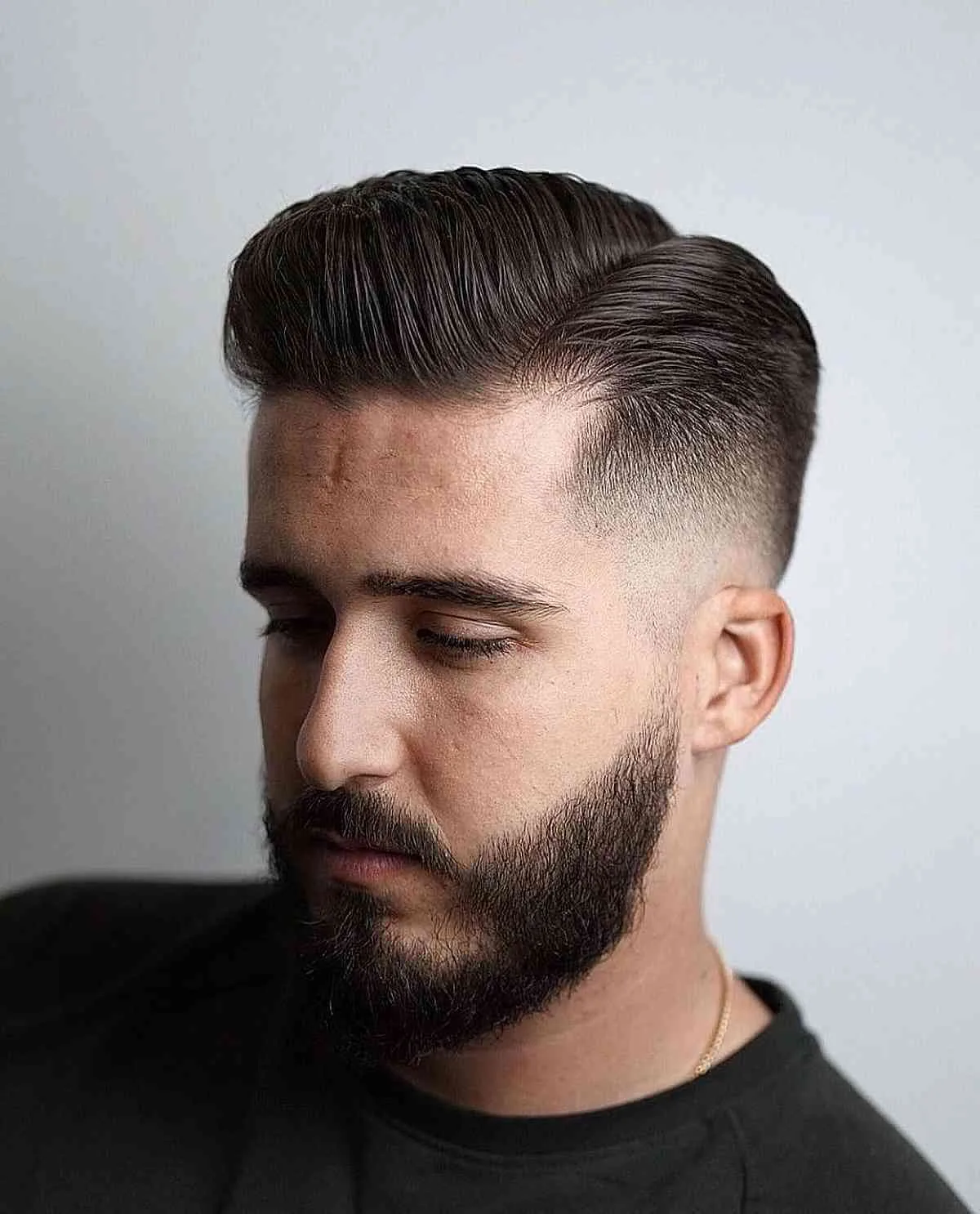
If sharp contrast is your thing, the high-fade version delivers instant impact. The high fade clears the sides completely, keeping attention on the fringe and crown for a bold, athletic edge, while the fringe adds softness so it never feels too severe. It’s best on straight or wavy hair and plays up strong jawlines and cheekbones. Use a styling paste for hold and texture, and keep the fade crisp with quick trims every two weeks.
Textured Fringe with Undercut
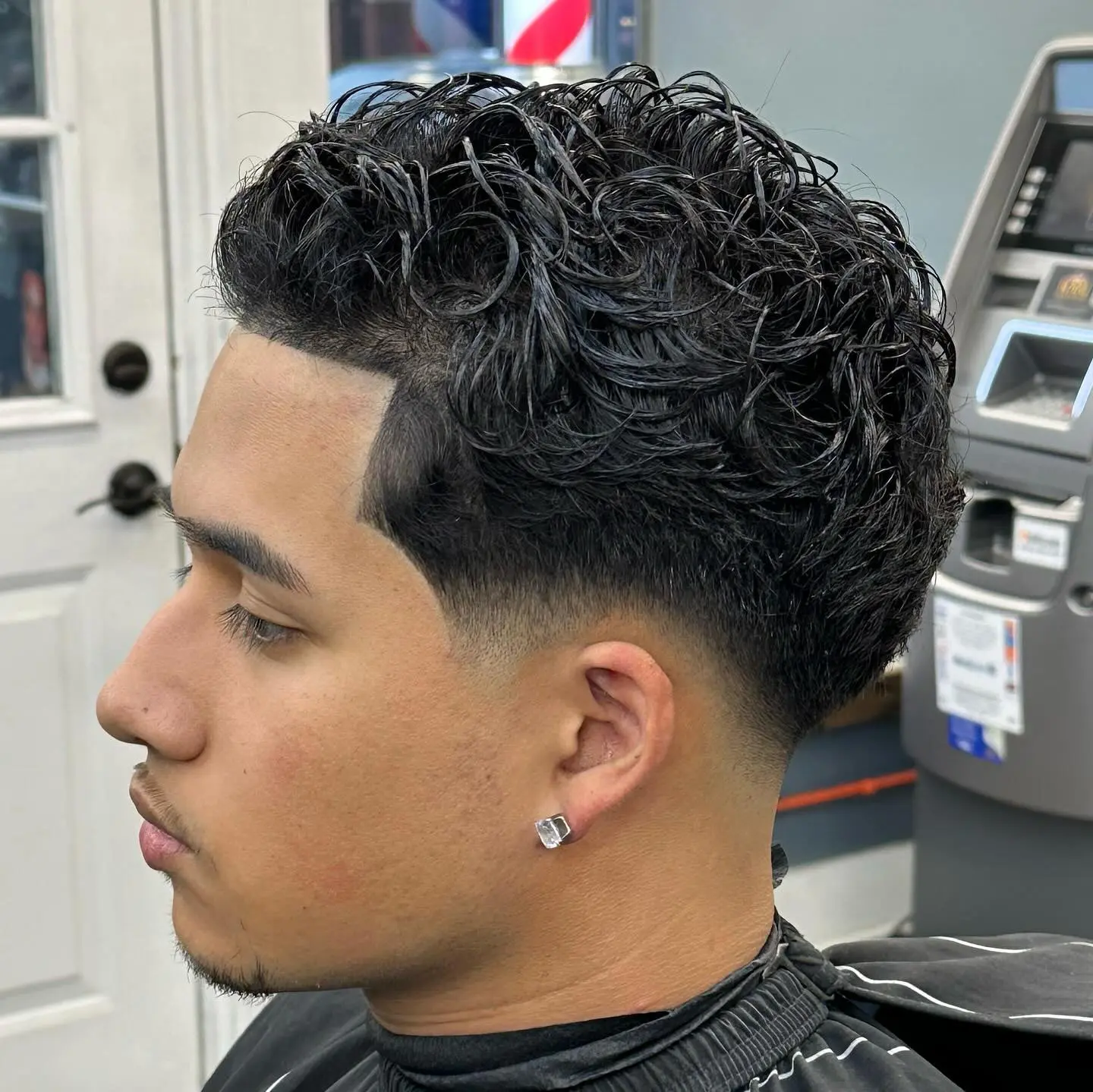
The undercut version brings drama and separation. The sides are clipped short and disconnected from the longer top, making the textured layers and fringe stand out — a modern twist with a bold, editorial vibe that’s still wearable. It suits thicker hair that wants volume on top without bulk at the sides, and it complements square or diamond faces by playing up height. Style with a blow-dryer and a matte pomade to enhance the texture and keep the top-to-sides balance.
Textured Fringe with Pompadour
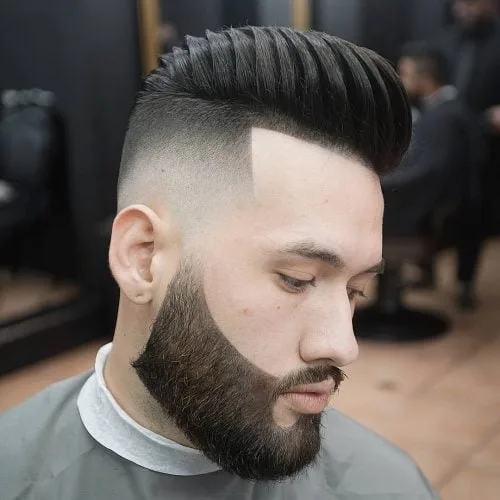
For a touch of classic flair, the pompadour version combines volume and refinement. The fade keeps the sides modern while the fringe blends into a lifted pompadour on top, giving height, shape, and movement — ideal for formal or semi-formal looks. It works best on medium to thick hair that holds structure, and oval and round faces benefit most as the volume lengthens and balances the face. Blow-dry to lift the front, apply a medium-hold pomade, and finish with a touch of texture for a natural sheen.
Textured Fringe with Side Part
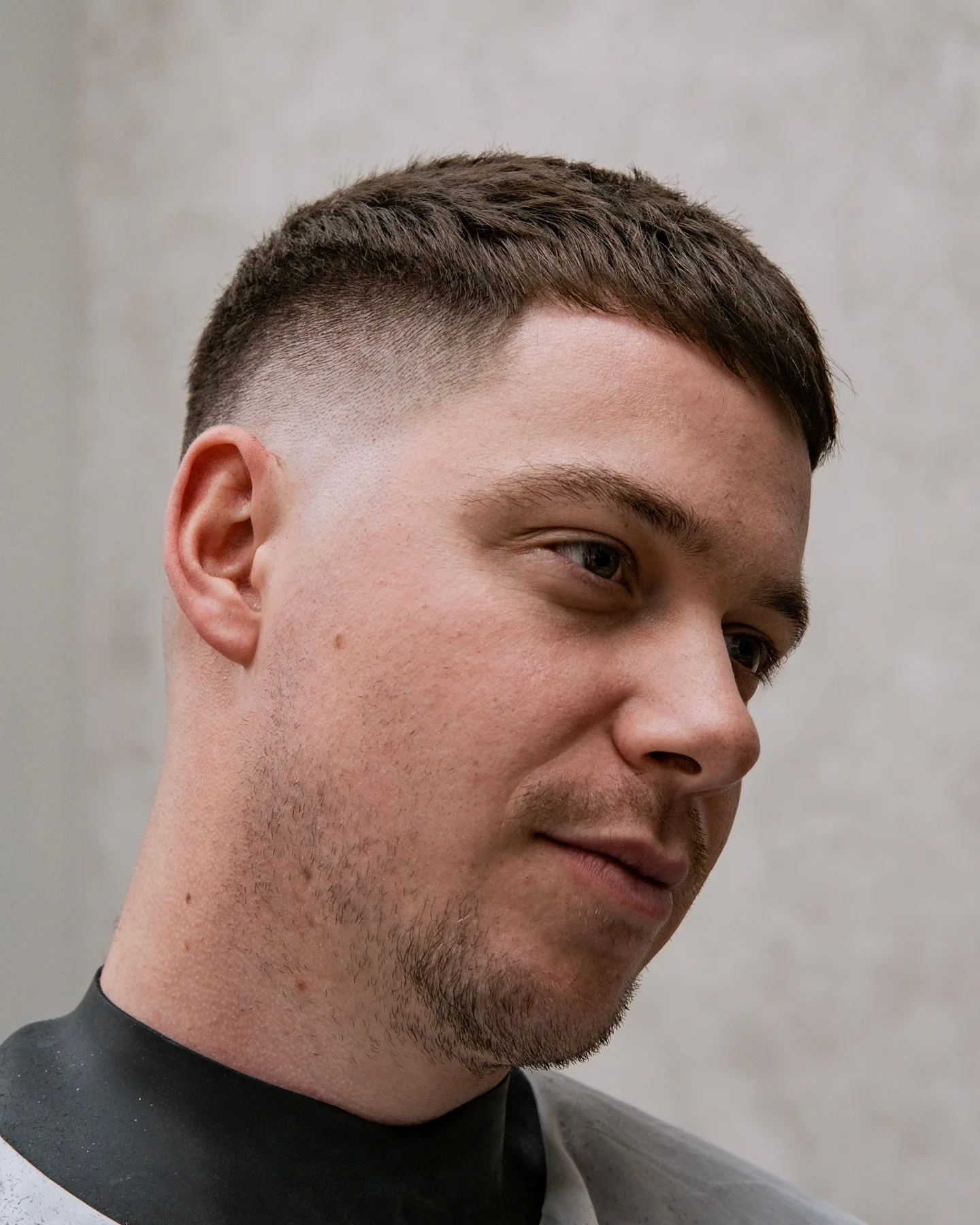
The side-part version brings a polished edge to a relaxed cut. A subtle part adds direction, separating the fringe while keeping a natural, layered flow — neat enough for work but relaxed for everyday. The low fade keeps the transition soft and highlights the shape of the part. It suits straight or slightly wavy hair, especially oval or square faces, and it’s easy to manage with a lightweight styling cream for a smooth, flexible finish.
Textured Fringe with Braids

To mix trend and culture, the version with braids delivers something unique. The fade stays low and clean while the top is styled into short or medium braids that lead into a textured fringe — a bold, expressive look that still feels structured. It’s great for thick or curly hair, with the braids adding personality and the fringe keeping the focus on your features. It suits round or heart-shaped faces by drawing the eye upward. A moisturising cream and a light oil keep both the braids and texture defined.
Textured Fringe with Bald Sides
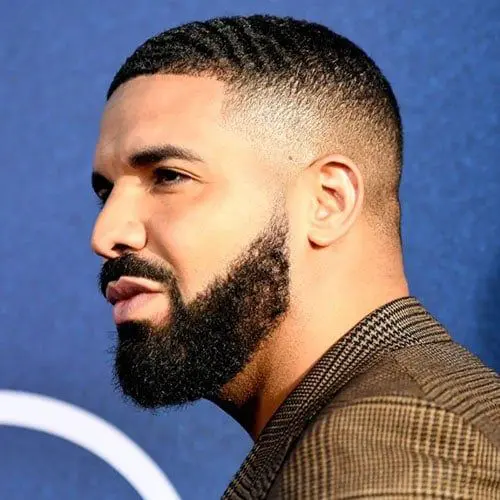
For the sharpest contrast, the bald-sides version is sleek and striking. The bald fade clears the sides completely, putting maximum focus on the textured fringe — a bold statement that still looks neat and professional. It works best on straight or wavy hair, where the texture on top contrasts against the skin fade, and it flatters oval and angular faces by playing up structure. Use a matte clay for texture and a small amount of shine product for a clean finish.
Maintenance & Styling Tips
To keep your low taper fade with a textured fringe looking fresh, a little care goes a long way.
- Trim every 2–3 weeks to keep the fade sharp and the fringe in shape.
- Use light products like matte clay or sea salt spray for natural texture.
- Skip heavy gels — they make the hair stiff and flat.
- Blow-dry gently while lifting the fringe with your fingers for volume.
- Use heat protection before drying to avoid damage.
- Sleep on a silk pillowcase to keep the fade neat.
- Don’t overwash — two to three times a week is enough.
- Style with your hands, not a comb, for a natural finish.
A word from the barber’s chair:
Always tell your barber how you style your hair at home — product type, drying routine, even how often you wash it. A good barber will taper and texture the cut around your habits, so the fade still looks sharp after two weeks instead of flat.
How to Ask Your Barber for the Perfect Low Taper Fade with Textured Fringe
Explaining what you want clearly helps your barber get it right. Here’s what to say:
- Show a photo of the style you want.
- Ask for a low taper fade that starts just above the ears and blends smoothly into the neck.
- Tell them you want a textured fringe in front, with light, choppy layers that fall naturally.
- Ask your barber to use point cutting or a razor for a soft, messy finish.
- Mention your styling routine , if you use a product, blow-dry, or prefer a natural look, it helps them shape the cut to your lifestyle.
Tip: before you leave, ask your barber which product will keep the texture light and the fringe in place.
Face Shape and Personality Match
The low taper fade with a textured fringe works for almost everyone, but a few small tweaks can make it fit your face and style even better.
- Oval face: You’re in luck, this style naturally flatters your shape. Try any version, from short to messy or wavy.
- Round face: Go for more height or an angled fringe to make your face look longer and sharper.
- Square face: Keep the fringe soft and layered to balance a strong jawline.
- Long face: Choose a shorter fringe to keep your features in proportion.
- Diamond or heart face: A fuller fringe helps add width at the forehead and softens cheekbones.
Personality fit:
- Polished and calm: Try a classic or brushed-up version.
- Creative and bold: Go for shaved designs or a faux hawk.
- Relaxed and natural: Messy or wavy styles work best.
Common Mistakes to Avoid
To keep it looking sharp, avoid these common slip-ups:
- Fade too high: It won’t look like a low taper anymore.
- Too much texture: Over cutting makes the fringe look thin or uneven.
- Heavy gels or waxes: They make hair stiff and flat.
- Wrong style for your hair type: Fine, curly, and thick hair need different cutting and styling.
- No regular trims: The fade and fringe lose shape quickly.
- Skipping styling: A few minutes each morning keeps it neat and natural.
Frequently Asked Questions (FAQs)
1. How long does a low taper fade with textured fringe last?
It stays neat for about 2–3 weeks. After that, you’ll need a quick trim to keep the fade sharp.
2. Is it good for thin hair?
Yes. The texture adds volume and makes thin hair look fuller.
3. Can it work on curly hair?
Absolutely. The fade keeps curls tidy while the fringe adds shape and movement.
4. What’s the difference between a low and mid fade?
A low fade starts just above the ears for a soft look, while a mid fade begins higher near the temples for more contrast.
5. How should I style it daily?
Use a matte clay or sea salt spray, lift the fringe with your fingers, and keep it light, no heavy gels.
6. Will it suit my face shape?
Yes. It’s one of the most balanced styles and can be adjusted to fit any face shape.
7. Can I have a beard with it?
Yes. A short beard fade that connects with the haircut looks clean and modern.
The low taper fade with a textured fringe is one of those cuts that just works. It blends clean fades with natural texture for a look that’s stylish but easy to live with — the fade keeps the sides sharp while the fringe adds personality and flow on top.
It fits almost every hair type and face shape — simple enough for everyday wear, sharp enough to stand out. A few minutes of styling and regular trims keep it looking effortless week after week.
Short, messy, wavy, or curly, it always looks confident and modern — a nice mix of structure and style, and one of the reasons it’s quickly becoming one of 2026’s best men’s cuts. Explore more fade styles: afro taper fade, mid taper fade, and skin fade haircuts.