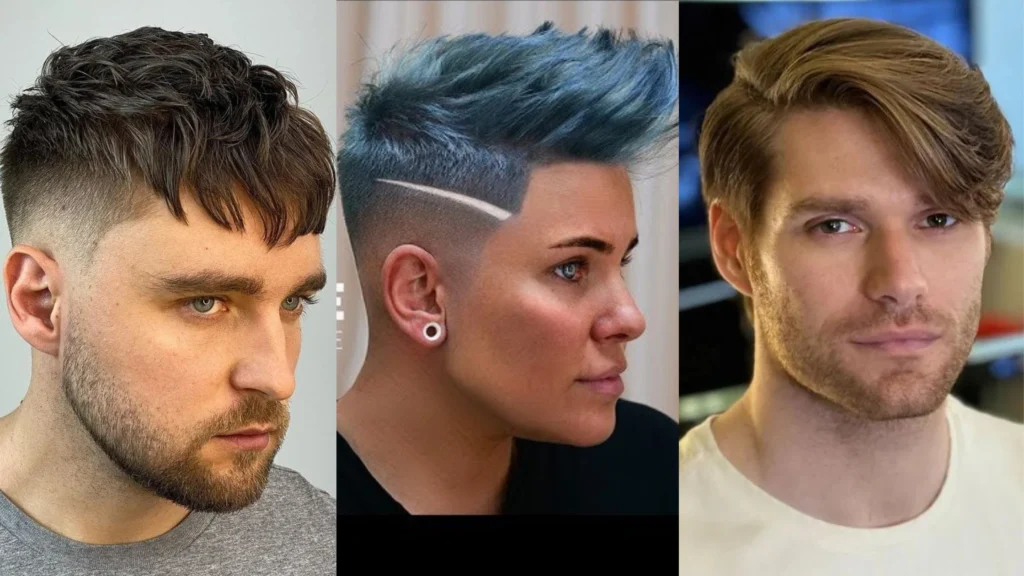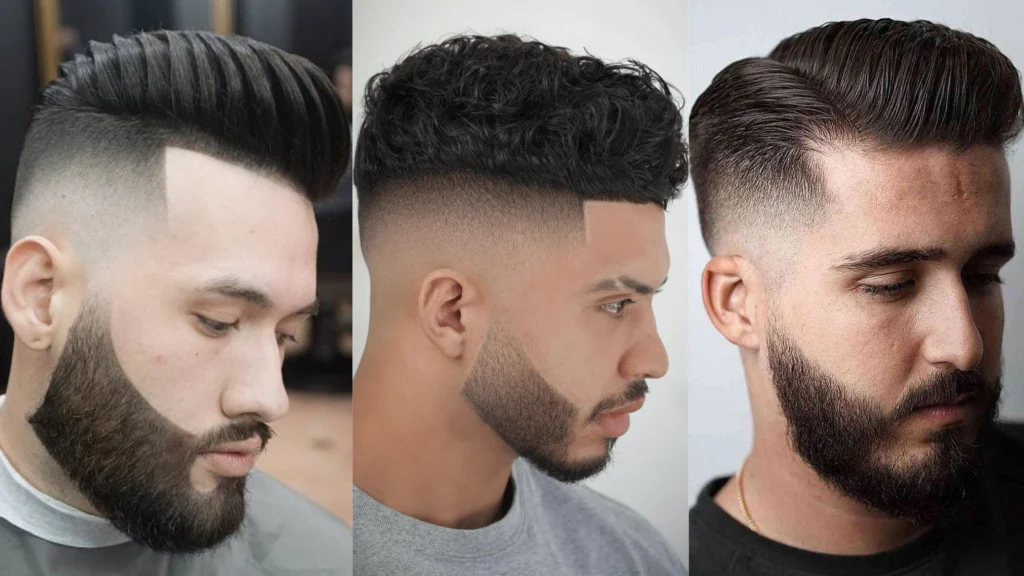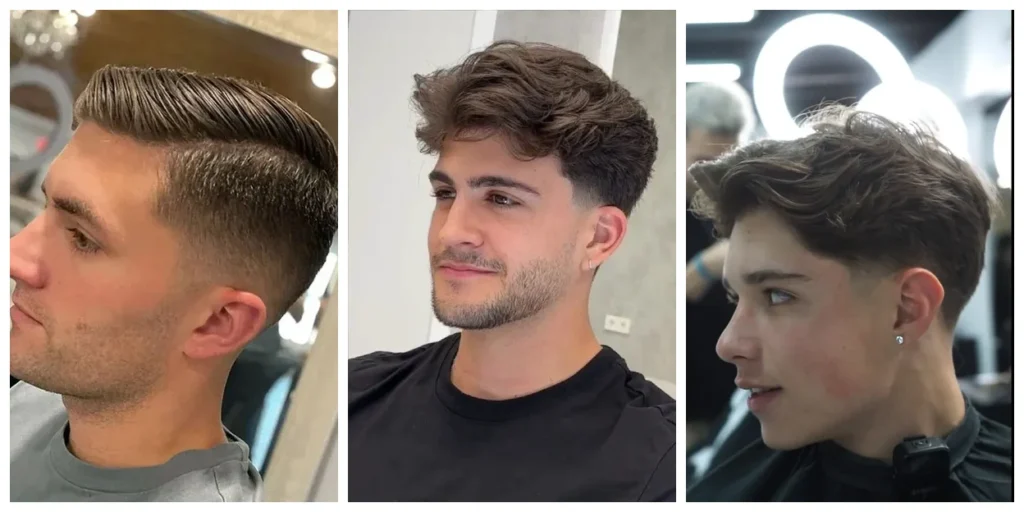
If you have got straight hair and you want a cut that looks sharp without eating up your whole morning, a low taper fade straight hair combo is hard to beat. It has quietly become one of the most asked-for looks in the barber chair, and it is easy to see why. Straight hair falls clean and flat, so it shows off that smooth, gradual taper around the ears and neckline better than almost any other hair type. The result is a cut that feels neat and intentional whether you are heading to the office or just out with friends.
In this guide we will walk through what a low taper fade actually is, why it pairs so well with straight hair, and then run through nine of the best styles you can take straight to your barber. Each one works with straight hair and keeps that low, subtle taper that makes the whole look so easy to wear.
What Is a Low Taper Fade?
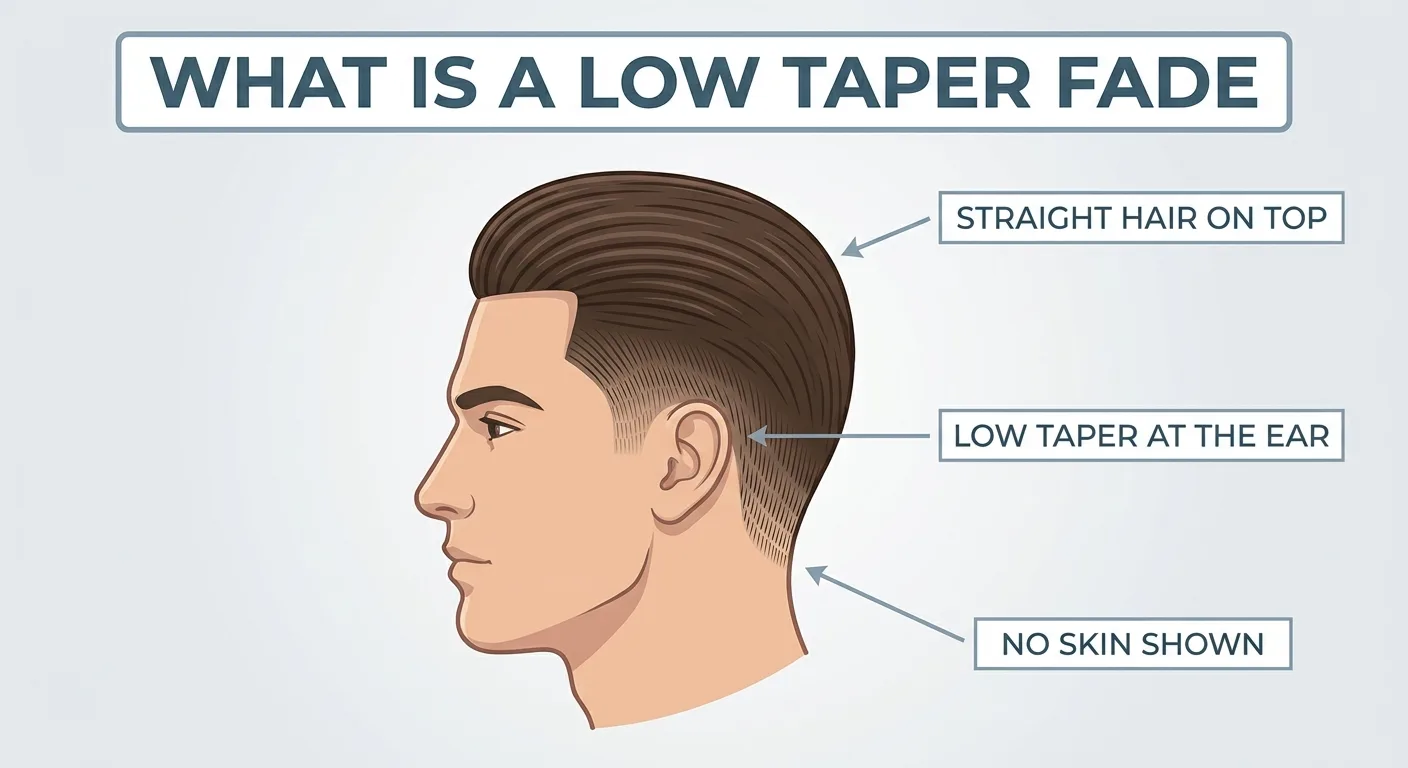
A low taper fade is a cut where the hair gradually gets shorter as it moves down toward your ears and neckline, but it never goes all the way to bare skin. The word low just tells you where the taper starts, which is down near the ears rather than higher up the sides. Because it keeps a little length at the bottom, a low taper looks soft and natural instead of bold and high-contrast. It is the most subtle member of the fade family, and that is exactly why so many guys love it. If you want to understand how it stacks up against a full fade, our guide on the difference between a taper and a fade breaks it down in plain language.
Why a Low Taper Fade Works So Well on Straight Hair
Straight hair and a low taper fade are a natural match. Straight strands lie flat and follow a clean line, so the gradual blend of a taper looks crisp and tidy without any frizz or flyaways getting in the way. You also get a lot of freedom up top. Straight hair can be pushed back, swept to the side, spiked, or left loose, and the low taper keeps the sides clean no matter what you do. On top of that, a low taper grows out gracefully, so straight-haired guys can stretch a few extra weeks between barber visits and still look put together. It is low effort and high reward, which is the whole appeal.
9 Best Low Taper Fade Straight Hair Styles
Here are nine straight-hair styles that all work beautifully with a low taper. Save the one you like and show it to your barber.
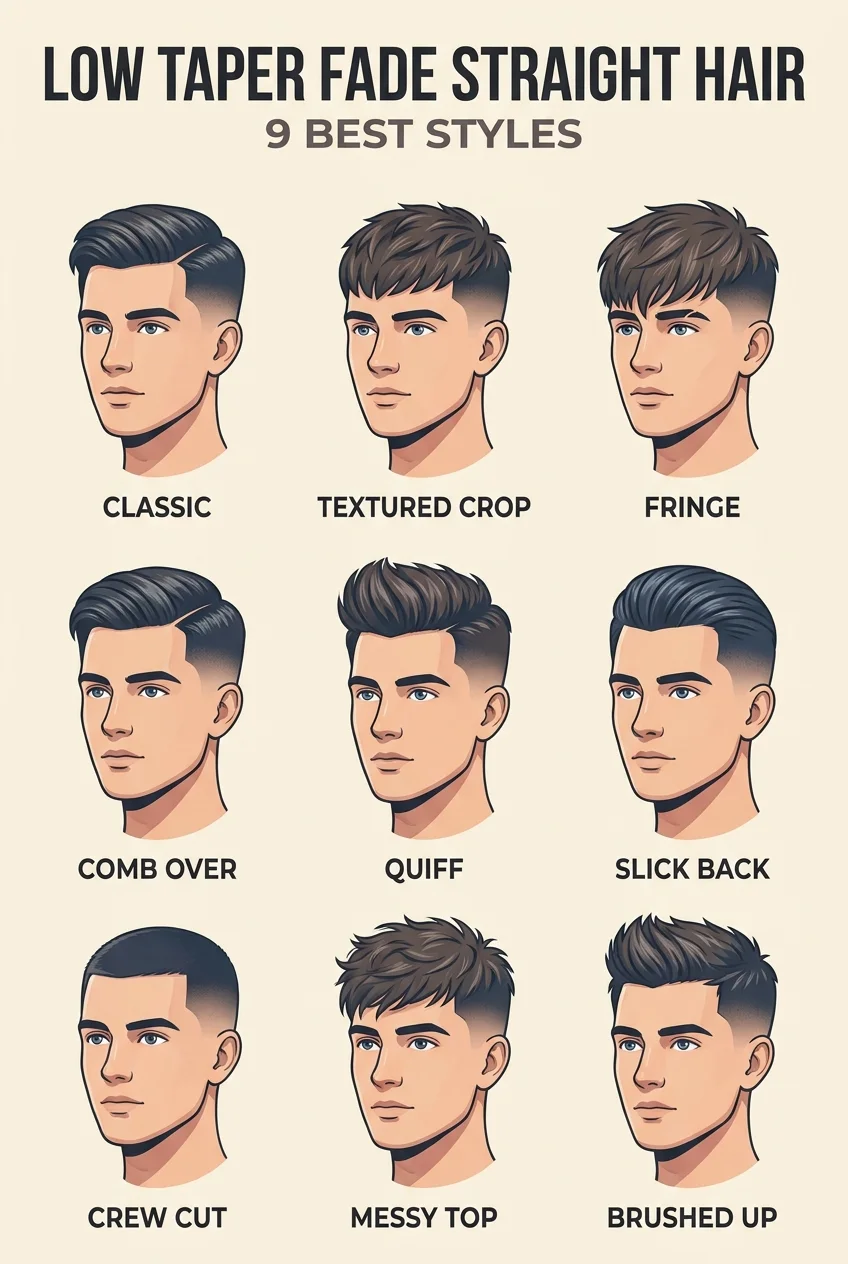
1. Classic Low Taper Fade
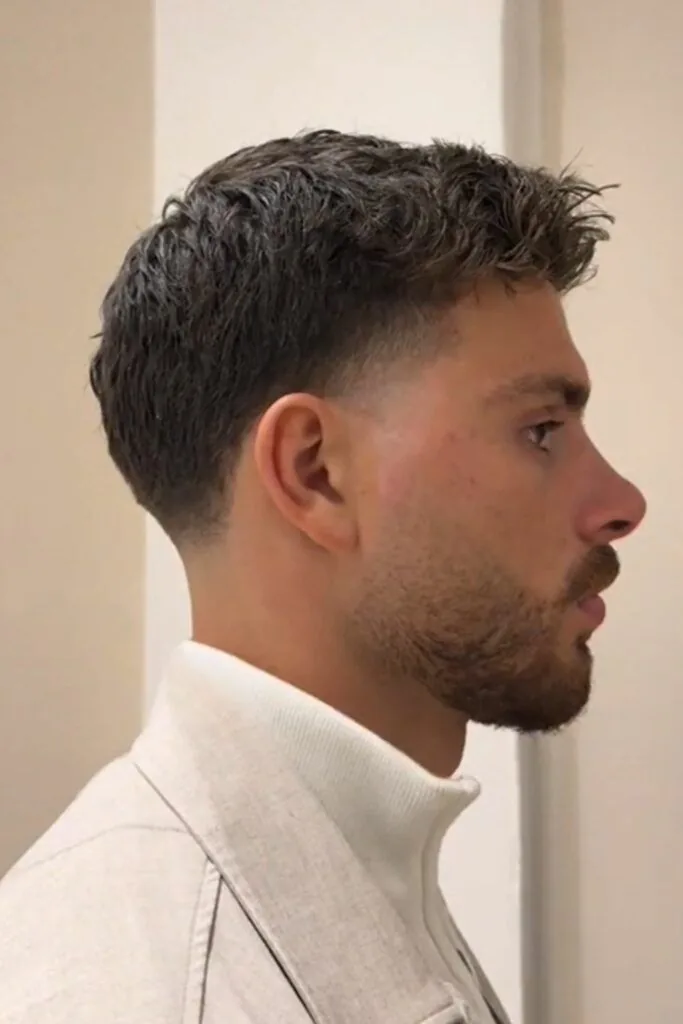
You cannot go wrong with the classic. The top is kept short and neat, combed into a simple natural shape, while the low taper keeps the sides clean and understated. It is timeless, it suits almost every face shape, and it is about as low-maintenance as a good haircut gets. If you want one safe look that always works for school, work, or a night out, this is it.
2. Textured Crop Low Taper Fade
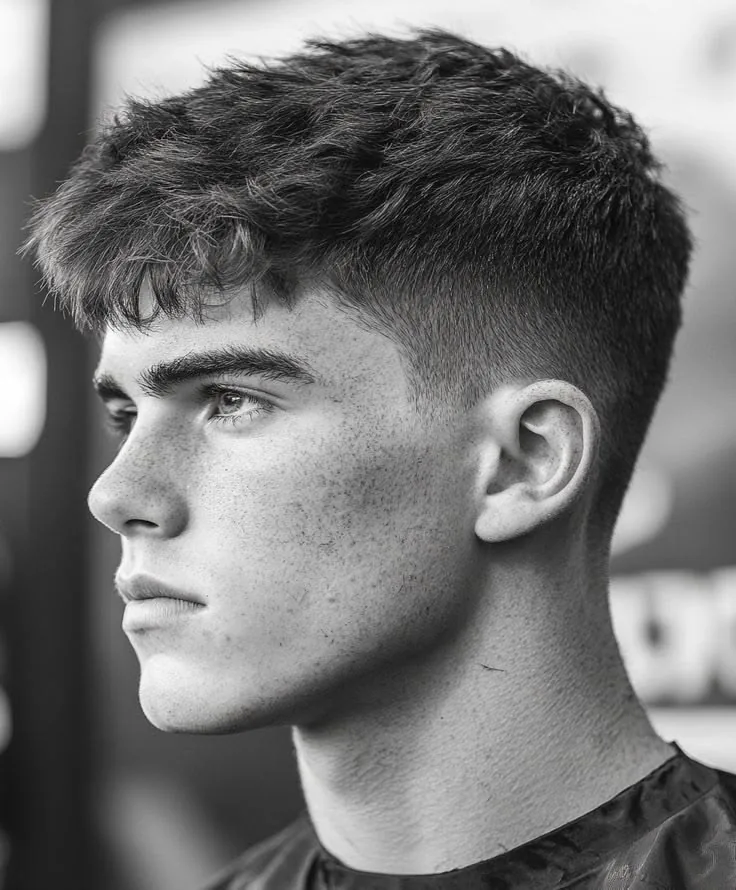
The textured crop takes that short top and adds a bit of choppy movement, giving straight hair some grit and shape. A little matte product breaks the strands up so the top does not look flat, and the low taper keeps everything sharp underneath. It is modern, it is easy to style in two minutes, and it works especially well if your hair is fine and you want it to look thicker. For more ideas in this lane, see our textured crop haircuts.
3. Low Taper Fade with Fringe
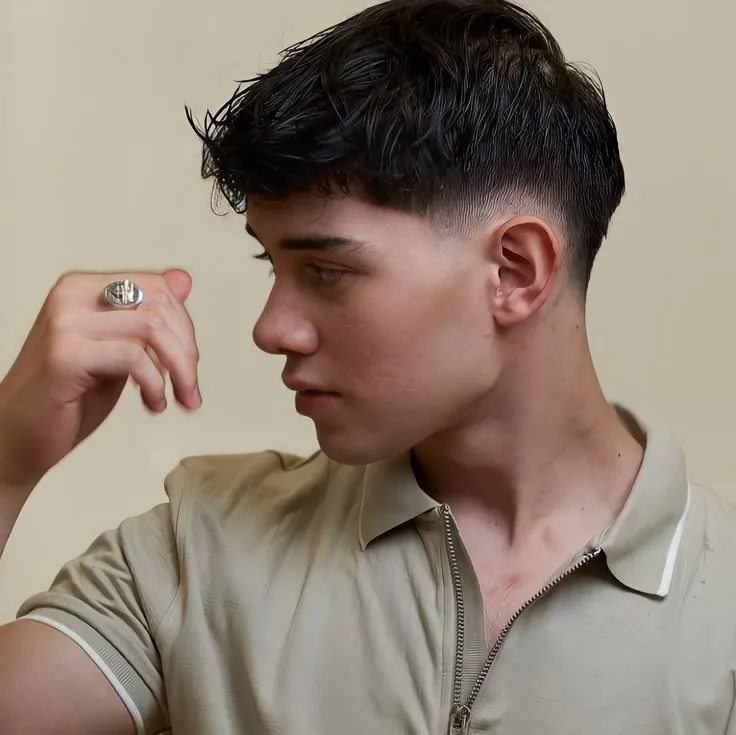
Bring the hair forward and you have got a fringe, one of the trendiest ways to wear straight hair right now. The fringe falls clean across the forehead while the low taper keeps the sides and back tight, so the look stays balanced and never heavy. It is a younger, fresher style that frames the face nicely. If you like this one, our low taper fade fringe haircuts guide has plenty more.
4. Comb Over Low Taper Fade
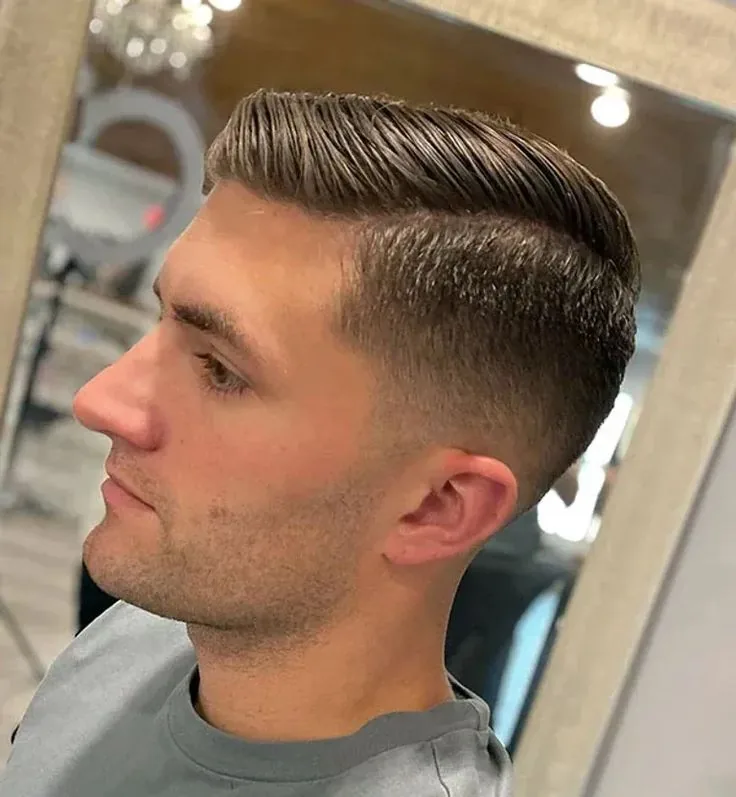
For something a little more grown-up, the comb over is hard to beat. The hair is parted and swept neatly to one side, often with a clean hard part line, while the low taper keeps the sides polished. Straight hair is perfect for this because it holds that smooth combed shape without fighting back. It is sharp enough for the office and still looks great at a wedding or a meeting. You can find more versions in our taper comb over fade roundup.
5. Quiff Low Taper Fade
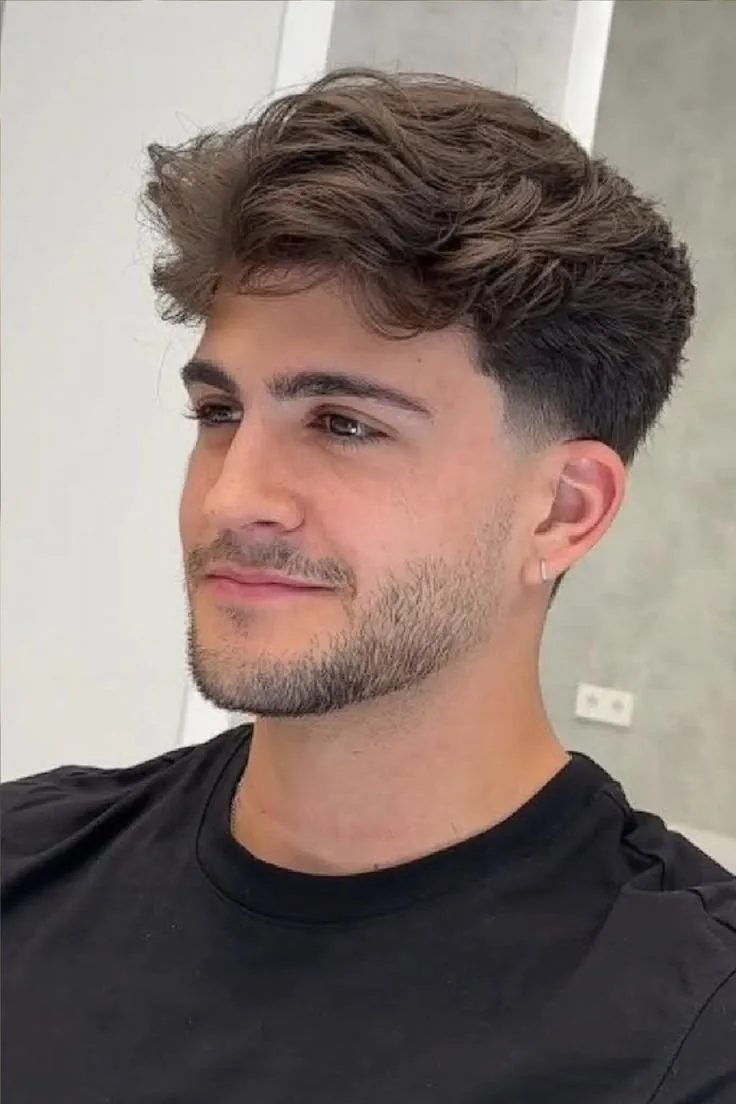
Want a bit more height and attitude? The quiff lifts the front up and back for some real volume, and the low taper underneath keeps it from looking too big. Straight hair gives the quiff a clean, smooth finish, especially with a blow-dry and a little pomade. It is a confident, stylish look that still keeps the sides nice and conservative thanks to the low taper.
6. Slick Back Low Taper Fade
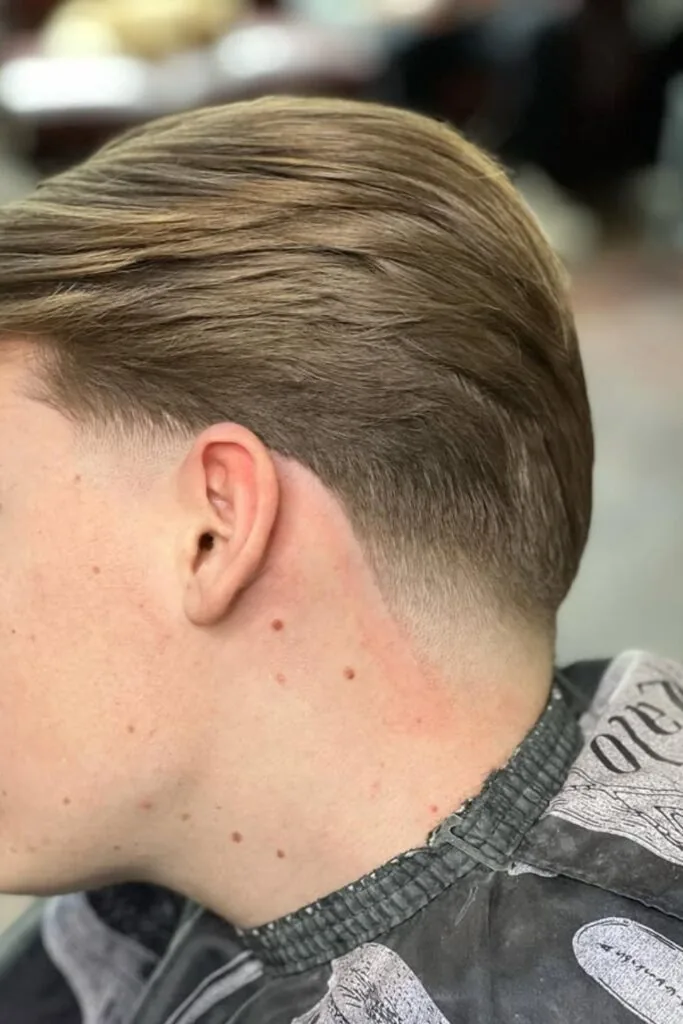
The slick back is pure clean confidence. The hair is combed straight back off the face, which straight hair does effortlessly, while the low taper keeps the sides from looking bulky. A bit of pomade gives it that smooth, slightly shiny finish that reads sharp and put-together. It works long or medium on top and only gets better as it grows. Check out our slick back taper fade styles for more.
7. Crew Cut Low Taper Fade

If you want the lowest-maintenance option on this list, the crew cut is your friend. The top is cut short and even, the low taper blends the sides cleanly, and you are basically done. It needs almost no styling, it suits straight hair perfectly, and it looks neat from the moment you leave the chair until your next trim. Great for busy guys and warmer weather.
8. Messy Textured Top Low Taper Fade
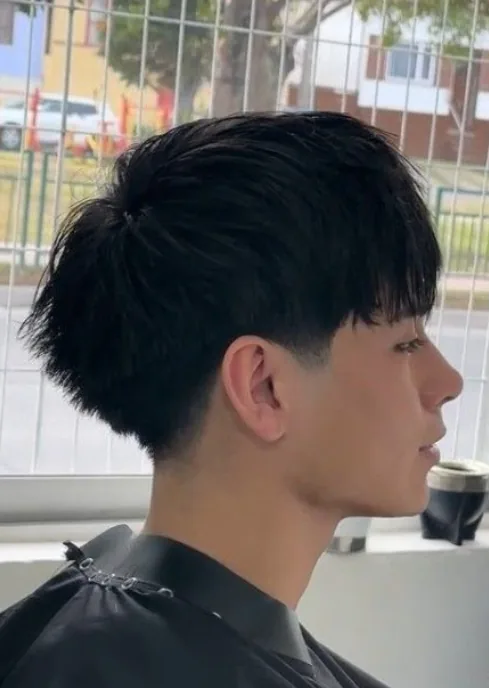
This one keeps a bit more length on top and lets it sit loose and a little messy, which gives straight hair a relaxed, effortless vibe. The low taper stops the look from feeling scruffy by keeping the sides clean and controlled. Tousle it with some sea salt spray or a light clay and you are good to go. If you like the longer-on-top feel, our low taper fade messy top guide is worth a look.
9. Brushed Up Low Taper Fade
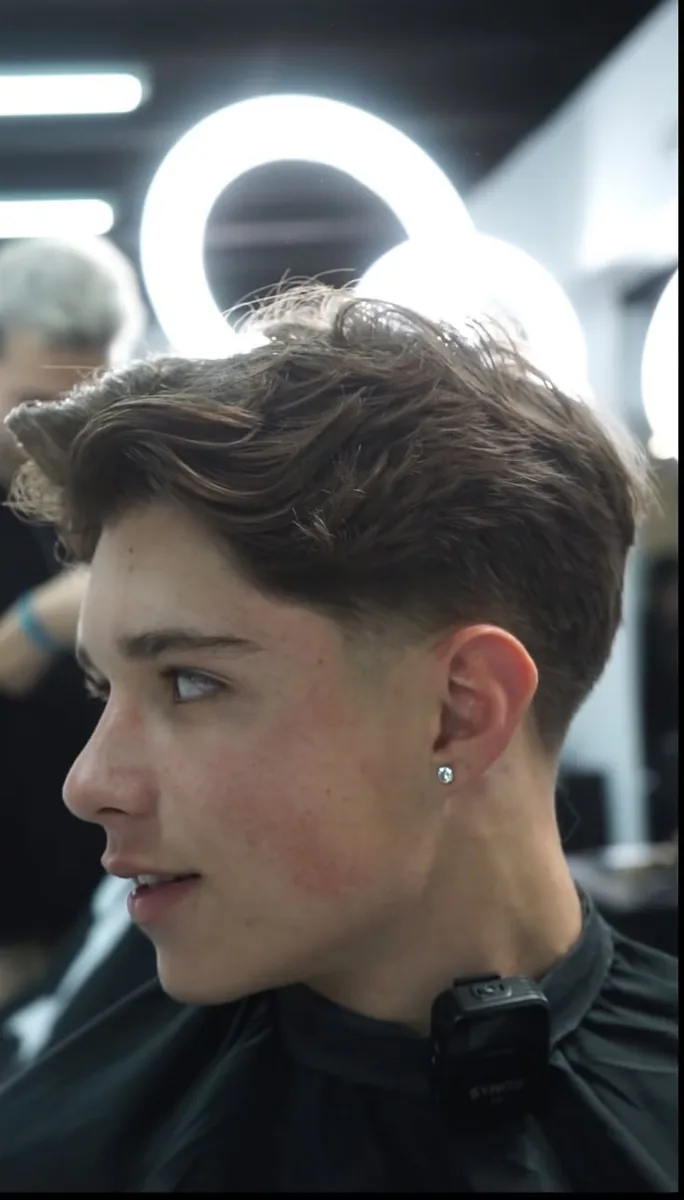
The brushed up look pushes the hair up and slightly back for a full, lively shape that still feels natural. It sits somewhere between a quiff and a messy top, giving you volume without too much fuss. Straight hair takes the brushed-up style well with a blow-dry and a matte product, and the low taper keeps the sides clean so all the attention stays on top. It is a great everyday look that photographs well too.
How to Ask Your Barber for a Low Taper Fade
The trick is to be specific. Tell your barber you want a low taper fade, and make it clear you want it to stay low, starting around the ears, and that you do not want it taken down to the skin. Then describe what you want on top, whether that is a comb over, a fringe, a slick back, or just a neat classic finish, and roughly how much length to leave. A reference photo is the best tool you have, so save one of the styles above on your phone and show it. Mentioning that you have straight hair also helps your barber pick the right approach for the top.
Styling and Maintenance Tips for Straight Hair
Straight hair is easy to manage, but a few habits keep your low taper looking fresh. Blow-dry your hair into shape before adding product, since this gives you far more control and volume than working with it dry. Pick your product based on the finish you want, a matte clay or paste for a natural look, or a pomade for something sleeker and shinier. Keep your neckline tidy between visits with a trimmer, and plan a barber trip every three to five weeks to keep the taper crisp. Straight hair shows grease quickly, so wash it regularly and use a light conditioner to keep it healthy and easy to style. If your hair has a bit of natural wave or movement to it, you might also like our low taper fade wavy haircuts.
Choosing the Right Style for Your Face Shape
A little thought about your face shape goes a long way. If you have a rounder face, go for height on top like a quiff or brushed up look to add length and balance. Longer or oval faces suit almost anything, but a fringe or a textured crop helps keep the proportions in check. Square and angular faces pair nicely with a clean classic or comb over that complements those sharp lines. Whatever your face shape, the low taper itself is flattering across the board because it keeps the sides soft rather than severe. Prefer a touch more contrast? A mid taper fade on straight hair is the natural next step up.
How to Get a Low Taper Fade on Straight Hair, Step by Step
From years of watching these cuts come together in the barber chair, the best low taper fades on straight hair always follow the same simple order. Here is how it usually goes, whether you are guiding your barber or just want to know what to expect.
- Start clean and dry. Straight hair blends best when it is washed and fully dried, since damp hair hides the true length and throws the taper off.
- Set the taper line low. The taper should begin just above the ears and around the neckline, not up at the temples. This is what keeps it a low taper rather than a mid or high one.
- Work down through the guards. Your barber drops clipper sizes one at a time from the top of the taper down, leaving a little length at the very bottom instead of going to skin.
- Blend until there are no lines. The sides are blended out so the change in length looks smooth and gradual, with no harsh steps.
- Cut and style the top. Finally the top is shaped to your chosen look, then styled with a blow-dry and a little product for hold.
Low Taper Fade Clipper Guard Numbers
If you want to give your barber exact numbers, a low taper fade on straight hair usually uses a short range of guards blended together. A common setup looks like this:
- Top of the taper: a #2 or #3 guard where the sides meet the longer hair.
- Middle: a #1 or #1.5 to start dropping the length down.
- Bottom (near the ear and neckline): a #0.5 or a closed lever, kept just off the skin so it stays a taper and not a skin fade.
These are a starting point, not a rule. A good barber adjusts the numbers to your hair thickness and the look you want, so always show a photo as well.
Common Low Taper Fade Problems on Straight Hair (and Quick Fixes)
Why does my straight hair look flat on top?
Flat hair usually comes from styling it dry or using a heavy product. Blow-dry your hair up and back first, then use a small amount of matte clay or paste for lift. A volumising mousse before drying helps a lot too.
My low taper grew out unevenly, what should I do?
A quick neckline and sideburn tidy with a trimmer buys you another week or two between full cuts. Because a low taper keeps some length, it grows out softer than a skin fade, so small touch-ups are usually all you need.
The taper looks too sharp or harsh, how do I soften it?
Ask your barber to start the taper a little lower and to blend it out more gradually. On straight hair a softer, lower blend reads cleaner and grows out more naturally than a tight, high one.
My straight hair will not hold a style, what helps?
Straight hair can be slippery, so the fix is technique and product. Always blow-dry into shape first, pick a strong-hold matte clay or pomade, and work it through dry hair. A pre-styling sea salt spray adds grip for looser looks.
Frequently Asked Questions
Is a low taper fade good for straight hair?
Yes, it is one of the best matches there is. Straight hair lies flat and clean, so the gradual blend of a low taper looks crisp and tidy, and the top can be styled almost any way you like.
How often do I need to get a low taper fade touched up?
Every three to five weeks keeps it looking sharp. Because a low taper does not go to the skin, it grows out more gracefully than a high or skin fade, so you can wait a little longer if you need to.
What is the difference between a low taper and a low fade?
A low taper keeps some hair length at the bottom for a soft, subtle finish, while a low fade usually blends closer to the skin for more contrast. The taper is the more conservative, natural-looking option.
Which low taper fade style is easiest to maintain on straight hair?
The crew cut and the classic are the lowest-effort options. Both need very little styling, suit straight hair perfectly, and look neat right up until your next trim.
Does a low taper fade suit thin or fine straight hair?
Yes, it is one of the best choices for fine hair. Keeping the sides short and clean makes the hair on top look fuller by contrast, and a textured crop or short classic adds the illusion of density.
Is a low taper fade okay with a receding hairline?
It works well. A low taper draws attention down to the clean sides rather than up to the hairline, and styles like a textured crop or a forward fringe help disguise a receding front while still looking modern.
Can I do a low taper fade at home?
You can tidy a low taper at home with clipper guards and patience, but the blending is the hard part. For your first few, a barber will give you a much cleaner gradient, then you can maintain the neckline yourself between visits.
Low taper or mid taper for straight hair, which is better?
A low taper is more subtle and office-friendly, while a mid taper adds a bit more contrast and edge. If you want the safest, most natural look, go low. If you want something slightly bolder, a mid taper is the next step up.
How long does my hair need to be for a low taper fade?
There is no strict minimum, since the taper is on the sides. Even very short crew cuts work. For styles with movement like a quiff or slick back, around two to four inches on top gives you enough length to shape it.
Does a low taper fade work with a beard?
Yes, and it looks sharp. Because a low taper keeps length at the bottom, your barber can connect the sides into the beard for a smooth, blended transition rather than a hard line.
About This Guide
This guide was put together by the team at Taper Haircut, where we spend our time studying, testing, and writing about men’s fades and tapers all day long. Every style and tip here is based on real cuts you can take straight to a barber, not theory. We focus on looks that are easy to ask for, easy to maintain, and that actually suit straight hair. You can learn more about Taper Haircut, get to know the people behind the advice on our Meet the Team page, and read how we keep our content accurate in our editorial policy. If you are ever unsure, your local barber is the best person to tailor any of these styles to your hair and face shape.
Final Thoughts
A low taper fade on straight hair is one of those rare cuts that looks sharp, suits almost everyone, and barely asks anything of you in return. Whether you keep it simple with a classic or crew cut, or add some personality with a fringe, quiff, or slick back, the low taper keeps the sides clean and the whole look pulled together. Pick the style that fits your vibe, show your barber a photo, and you will walk out with a cut that works just as hard as you do. For even more ideas, browse our full collection of taper fade haircut guides.