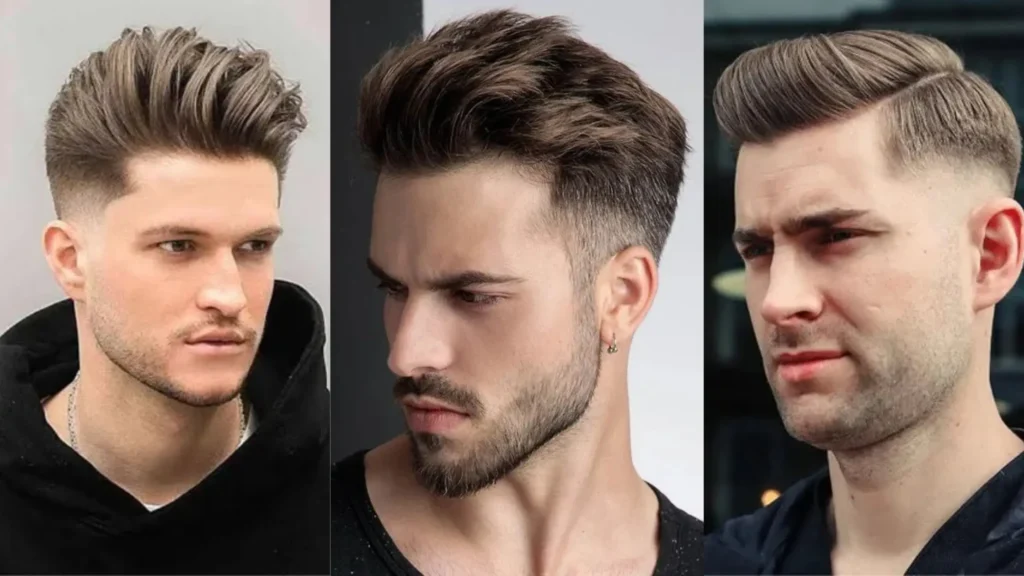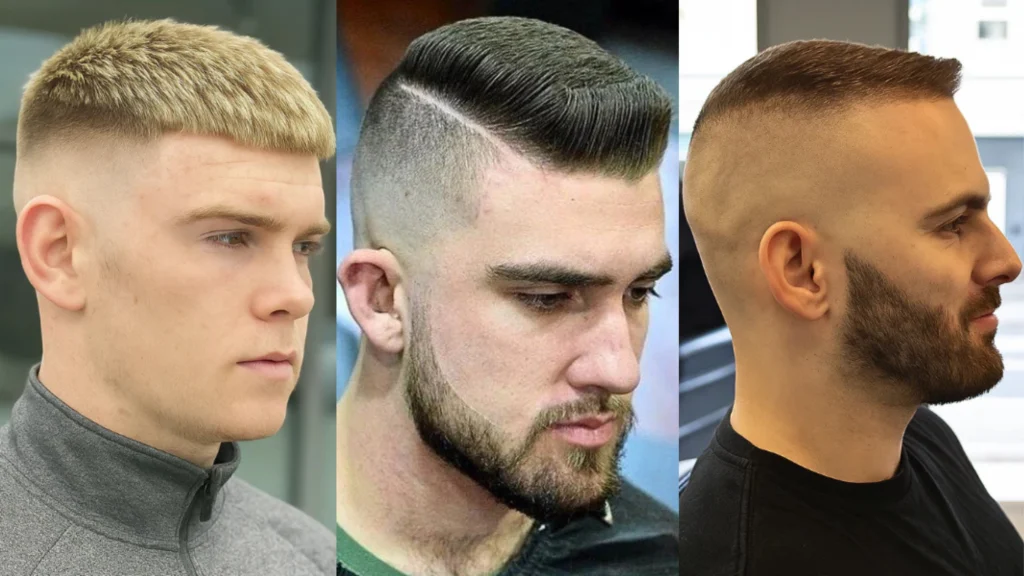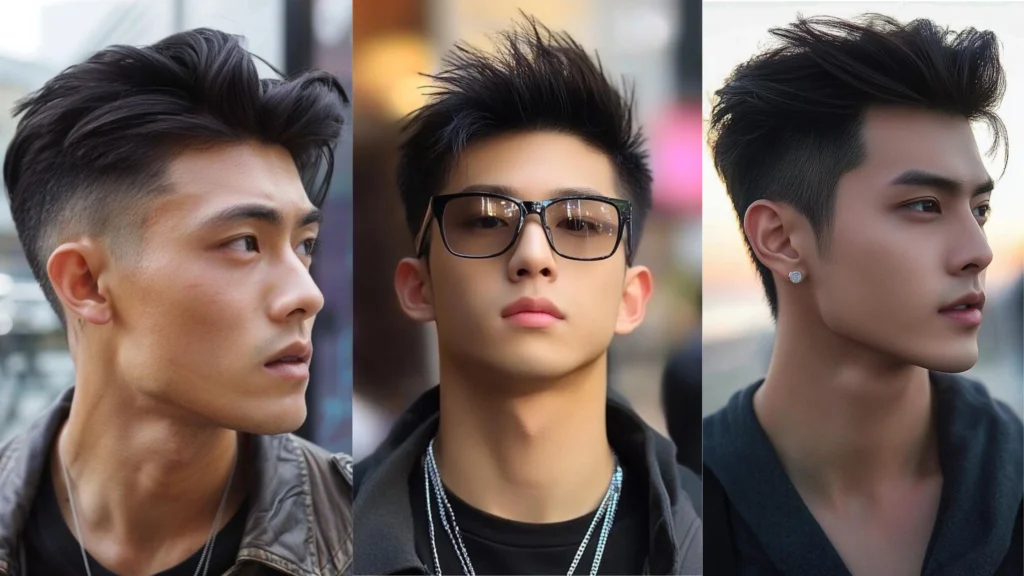
If you’ve got thick, straight hair, the Asian taper fade is one of the easiest ways to look sharp without much upkeep. It leaves length on top and shortens the sides gradually, so the shape holds whether you’re at the office or out for the night. Want more contrast? The burst taper fade haircuts are worth a look too.
What makes it so useful is the range. Drop the fade low for a quiet finish, keep it mid for everyday balance, or take it high when you want the contrast to do the talking. Add a blowout, a middle part, or a quiff and the same base cut reads completely differently.
Below are the Asian taper fade styles worth trying in 2026, with quick notes on who each one suits and how to keep it looking fresh between barber visits.
What Exactly Is an Asian Taper Fade?
An Asian taper fade is a gradual cut where the hair shortens smoothly from the top down to the sides and neckline. Unlike a full fade, it never shaves the sides to the skin — it keeps a softer transition that still looks tidy.
It’s a great match for thick, straight hair. The taper gives the cut structure and a clean outline while leaving plenty of volume up top. Want a soft blend? Keep the fade low. After more contrast? Take it higher.
Either way you end up with a haircut that’s easy to manage and looks right in casual and professional settings alike. If you want to compare transitions, the mid taper fade haircut shows a similar clean blend with a touch more contrast.
Why It Works So Well on Asian Hair
Asian hair tends to be thick and straight, and that’s exactly what makes this cut sit so well. The fade cleans up the sides and keeps the top sharp without fighting the way the hair naturally falls.
It frames the face nicely and holds its shape for weeks. Go subtle with a low fade or bolder with a high one — either way it’s low-fuss to live with.
Versatility is the other big draw. Part it down the middle, rough it up for a messy finish, or slick it back — the same haircut adapts to the occasion and to almost any face shape.
Key Benefits of the Asian Taper Fade
- Keeps your hair clean, sharp, and easy to style
- Works perfectly with thick or straight Asian hair
- Looks good on all face shapes
- Low-maintenance and stays fresh longer between trims
- Can be styled casual or professional
- Adds structure without losing natural volume
Recommended Styling Products for an Asian Taper Fade
Things to Keep in Mind
- Choose the fade height that matches your face shape and hair type
- Visit your barber every 2–3 weeks to keep the fade sharp
- Use light styling cream or pomade to add texture
- Avoid heavy gels — they can make straight hair stiff
- Wash and condition regularly to keep hair healthy and smooth
- Keep the neckline and sideburns clean between barber visits
Table of Contents
High Taper Fade Asian
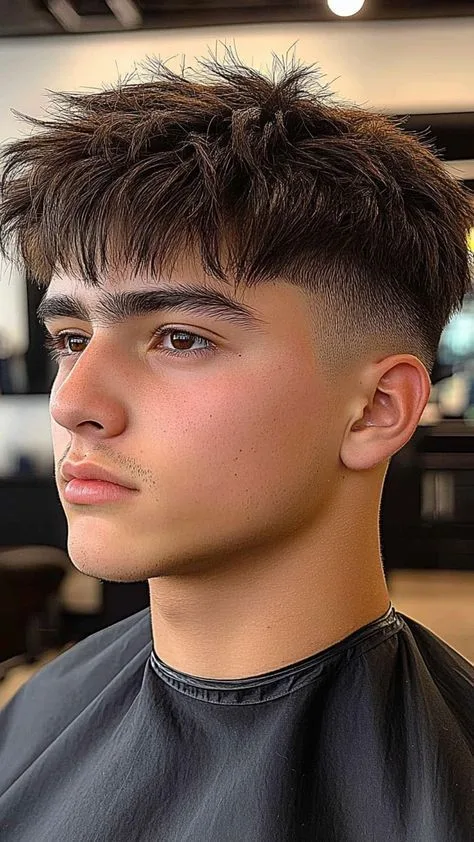
The high taper fade is the boldest version here: the side drops away fast under a fuller top. It’s a strong look on thick, straight hair and plays especially well with square or oval faces, sharpening the jaw and cheekbones. A matte clay or pomade adds texture without the shine. For something even more expressive, take a look at the high taper mullet haircut.
Mid Taper Fade Asian
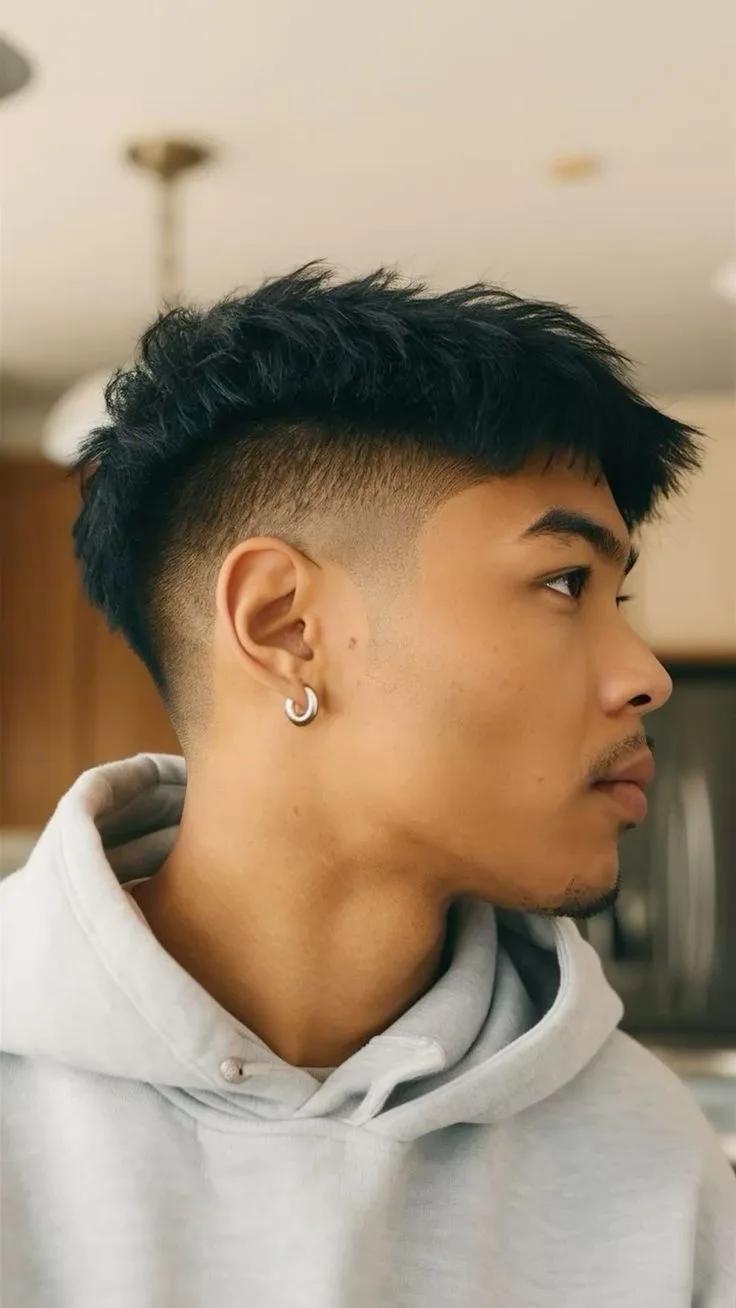
Sitting between subtle and sharp, the mid version starts around the temples and blends down cleanly. It’s the easy everyday pick — quick to style, hard to get wrong — and it suits rectangular or oval faces while keeping the weight up top. A light cream holds the texture without stiffening it.
Low Taper Fade Asian
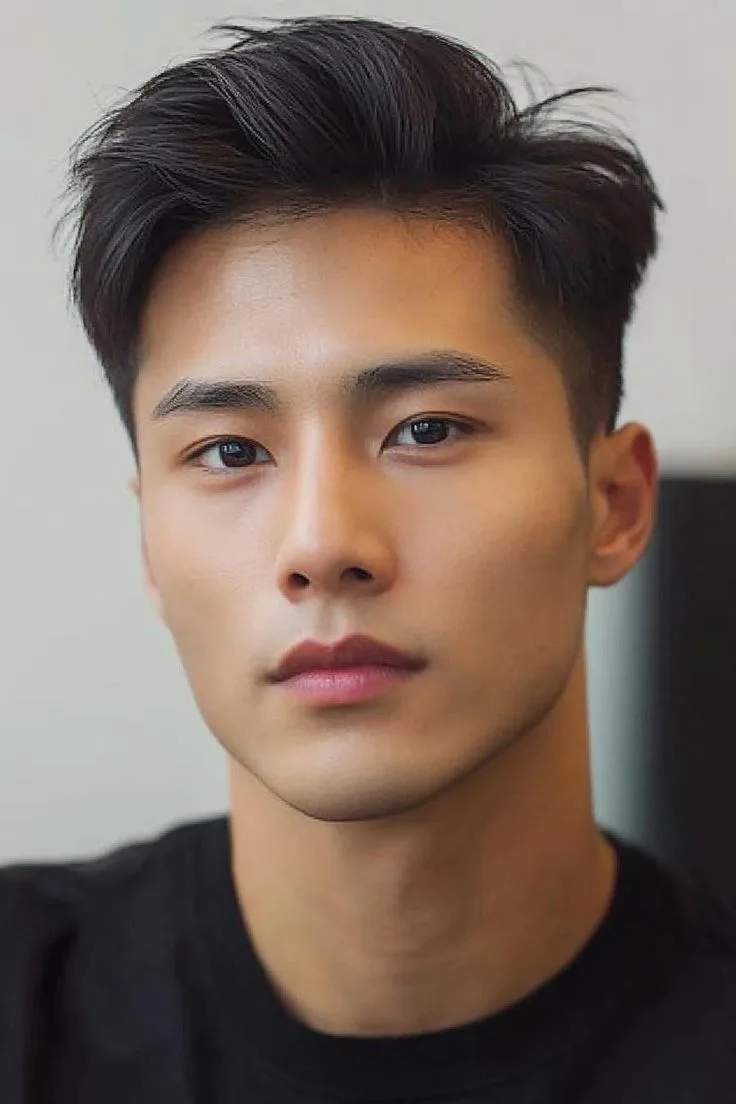
Drop the fade just above the ears and you get the low taper: softer, a little more formal, and slow to grow out. It’s a smart choice for fine or straight hair and flatters round or heart-shaped faces. A small amount of pomade keeps it neat without looking overdone.
Asian Blowout Taper Fade
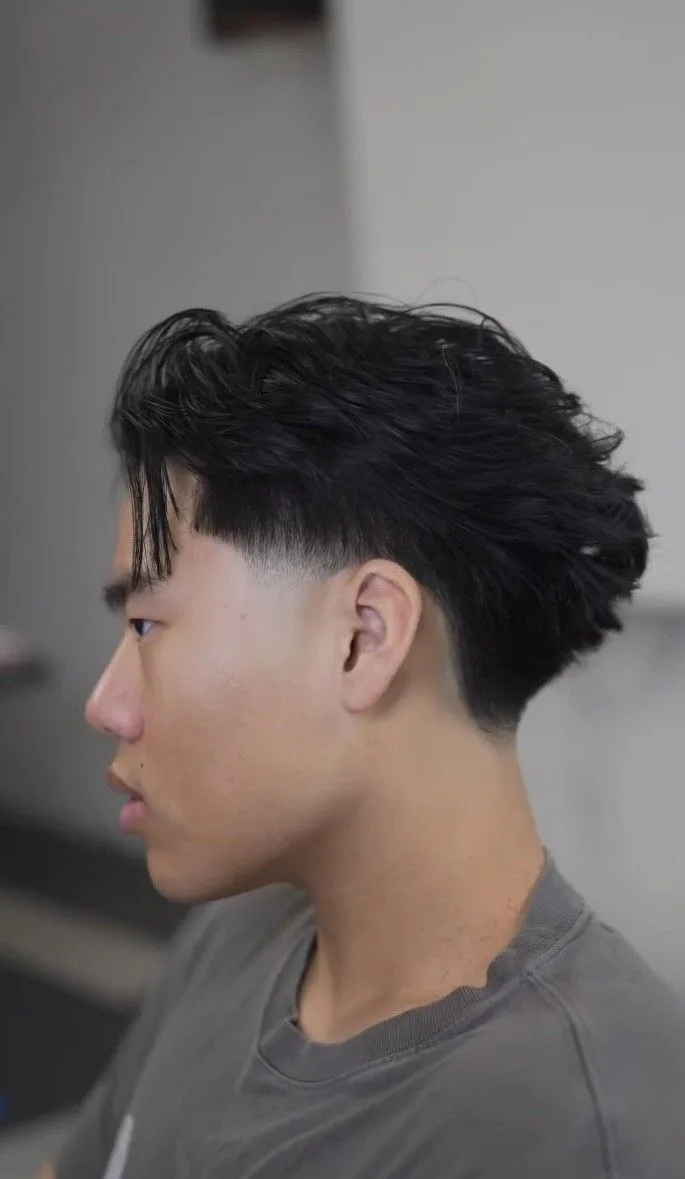
For anyone who likes height, the blowout pairs a lifted top with sharp faded sides — movement and precision in one cut. It’s made for thick, straight hair and longer faces, and it’s a go-to for nights out. Dry it up and out with a volumizing spray to hold the shape. There’s more in our guide to blowout taper haircut styles.
Asian Mid Taper Fade
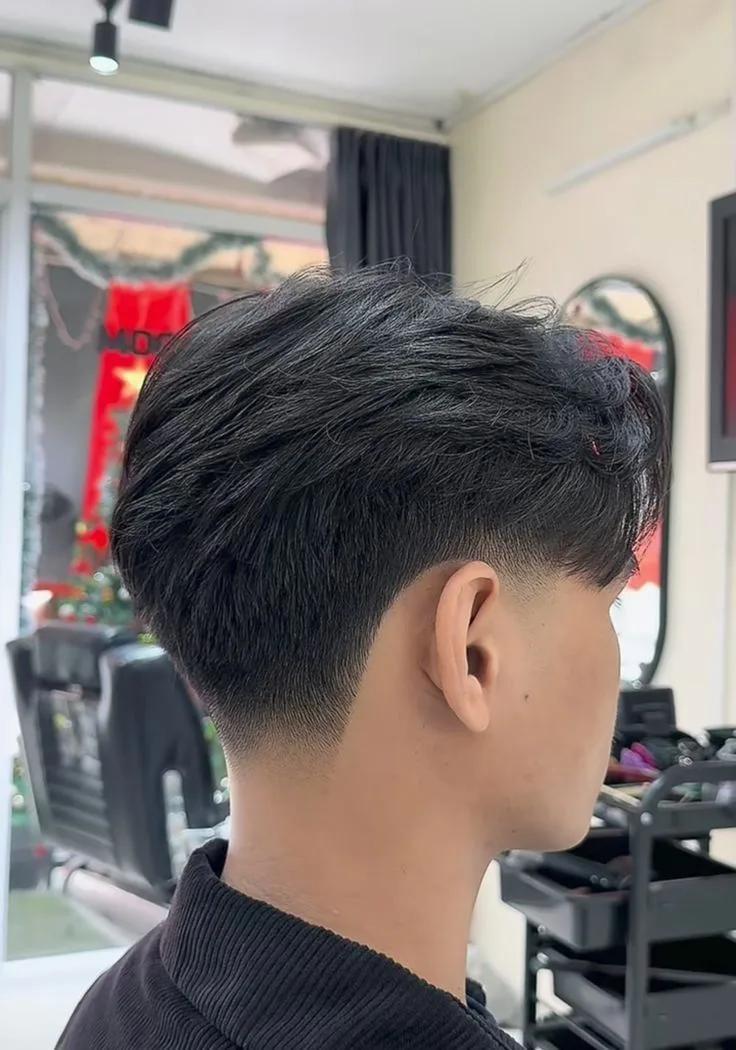
This is the timeless, safe-bet version that works on nearly any face shape. The sides blend midway while the top keeps enough length to style however you like. It’s a good fit for dense or straight hair and balances the head shape without going extreme. Finish with a little matte cream for a soft, clean texture.
Low Taper Fade Middle Part Asian
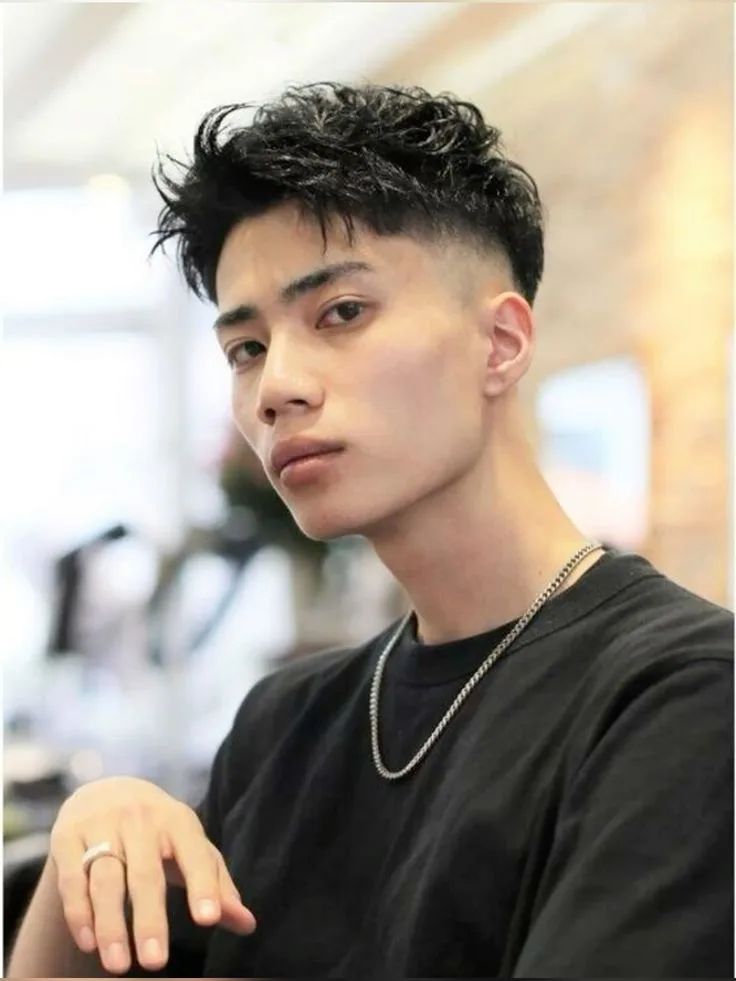
This is the K-style favourite — a centre part with the fade kept low and tidy at the edges. The part frames the face evenly and looks best on smooth, straight hair and oval faces. A drop of shine serum keeps it sleek without weighing it down. The middle part taper fade haircut has plenty more examples.
Asian Taper Fade with Quiff
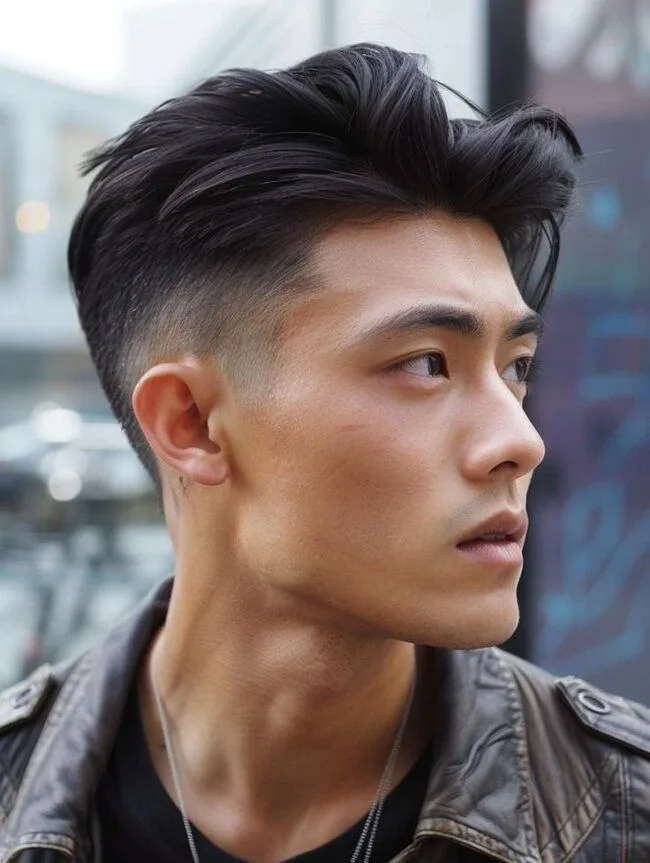
Add a quiff and the cut gains height and a bit of polish — lifted at the front, clean on the sides. It’s a confident, put-together style that still passes at work, and it suits straight or thick hair. Blow-dry the front up and set it with matte clay.
Curly Asian Taper Fade
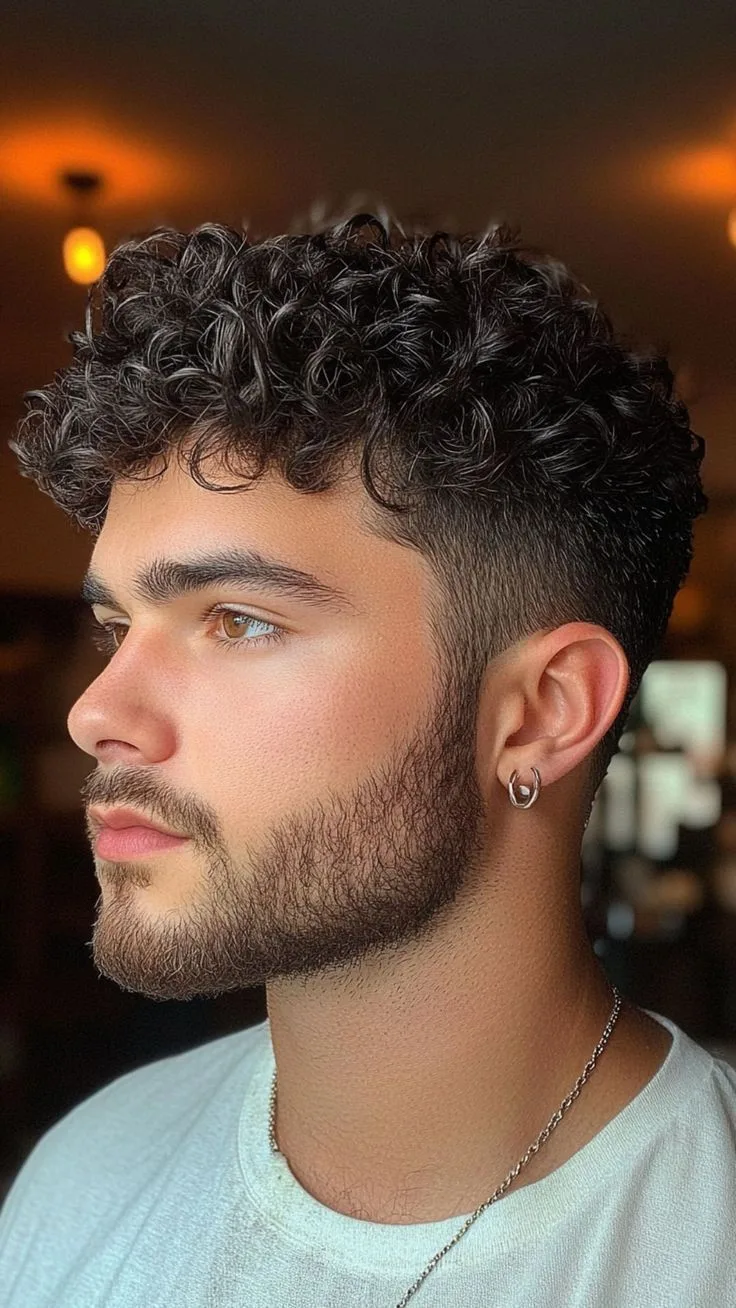
Got waves or curls? This version fades the sides in neatly and lets the texture up top do its thing — relaxed but still controlled. It works well on oval or heart-shaped faces. A curl cream keeps everything soft and defined. For more on managing texture, the mid taper fade curly hair guide is a good next read.
Samurai-Inspired Asian Taper Fade
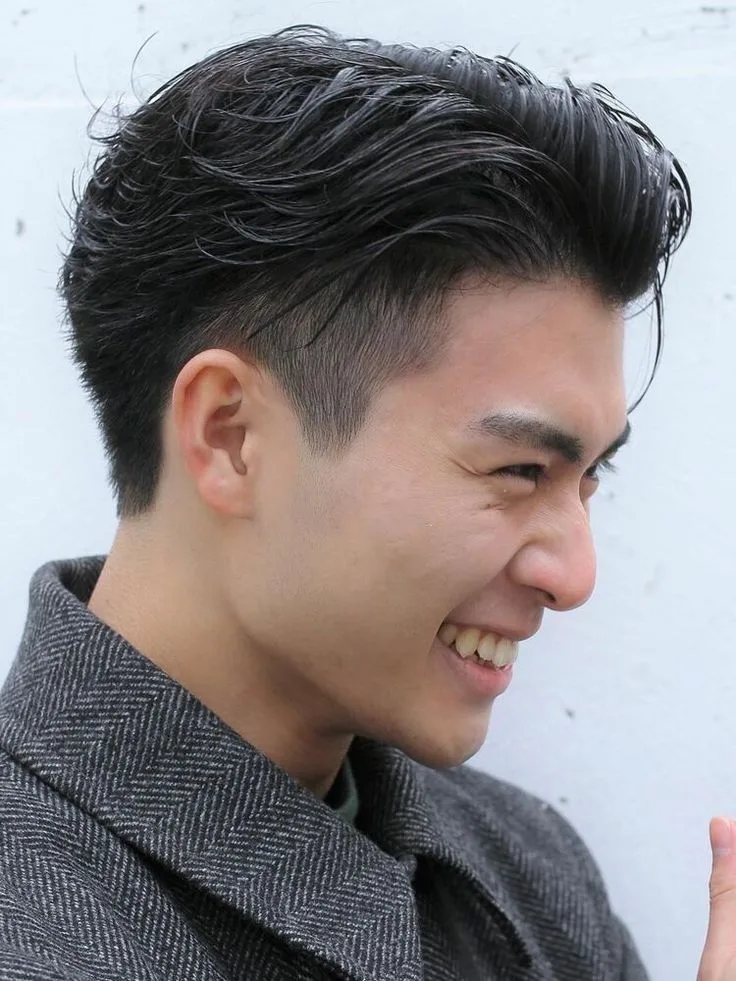
This one leans into a traditional touch: clean modern sides with enough length on top to tie into a small bun. It’s best on thick, straight hair, and taller faces carry the extra height well. A lightweight oil or serum keeps stray hairs in check.
Mid Asian Taper Fade with Pompadour
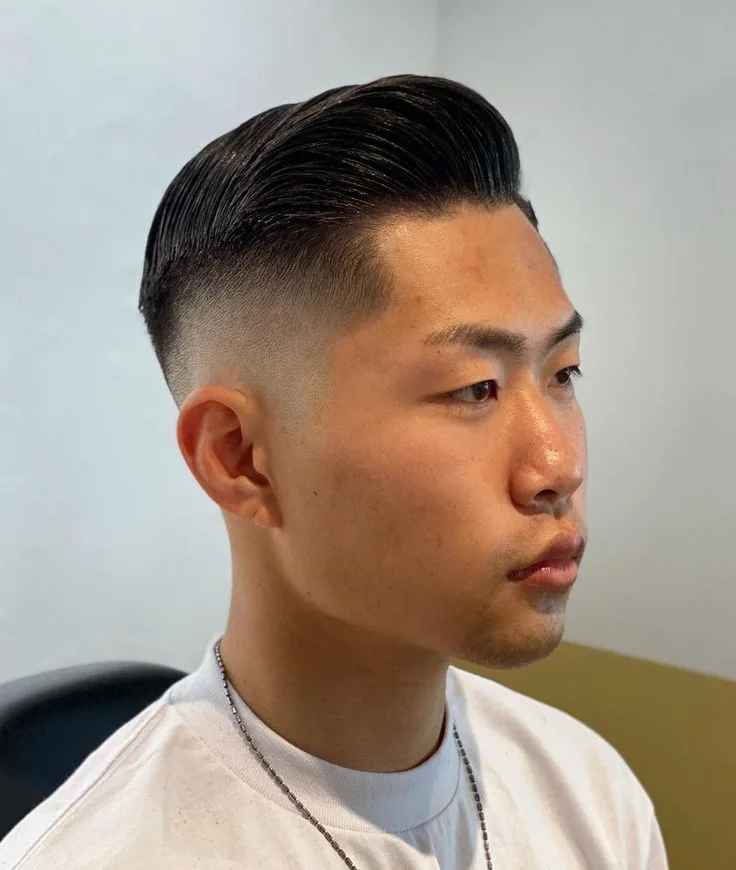
The pompadour brings old-school flair — sides tapered halfway up, with real volume swept off the front. It loves thick, straight hair and suits rectangular or oval faces. Blow-dry for lift and lock it in with a strong-hold pomade.
Low Asian Taper Fade with Side Part

A low fade with a defined side part is about as timeless as men’s hair gets — understated and easy to read as sharp. It’s ideal for straight or fine hair and round faces. Run a comb through with a light pomade for clean, defined lines.
Curly Mid Asian Taper Fade
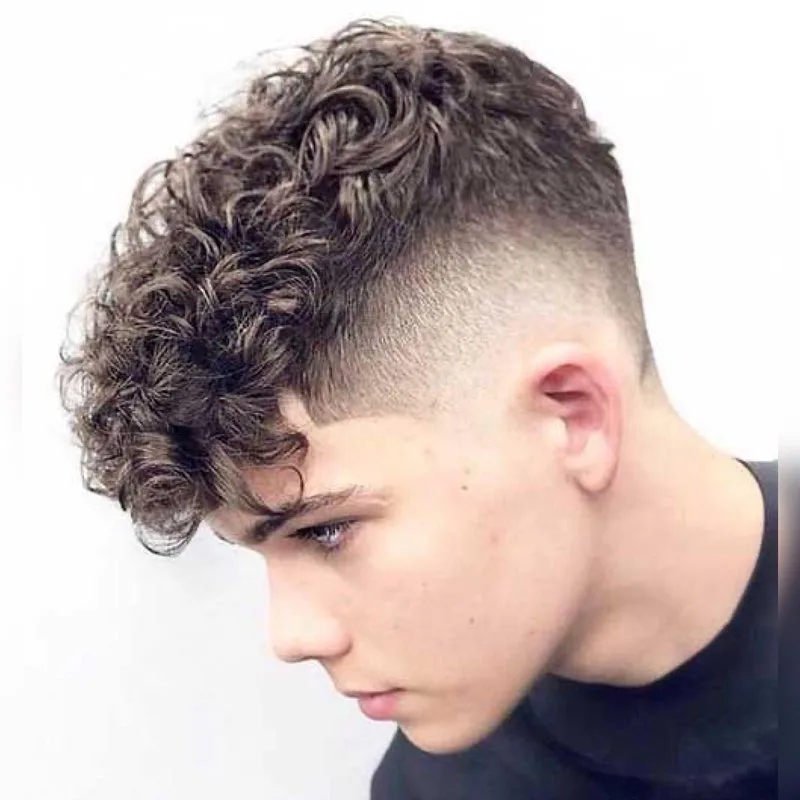
Here the fade starts mid-level so your curls stand out while the edges stay crisp. It flatters oval or square faces and works best on thicker, wavy hair. A hydrating curl mousse keeps the definition without the crunch.
Textured High Asian Taper Fade
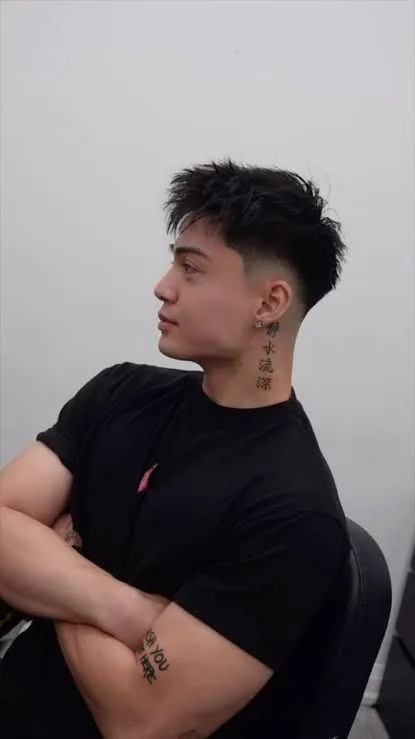
A high fade under a choppy, textured top gives thicker hair real attitude and movement. It’s a bold pick for square or angular faces that can take the added height. Work in a matte paste for flexible hold and no shine.
Asian Taper Fade with Beard
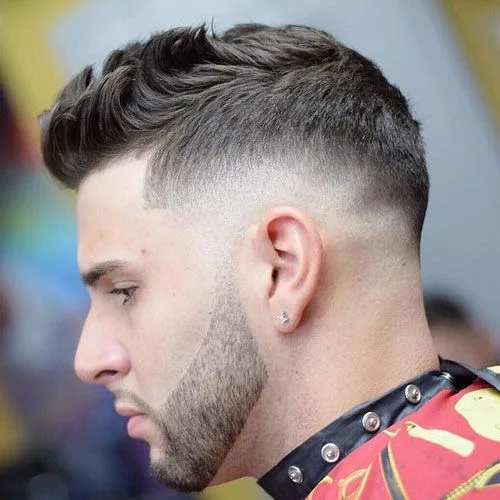
Connect the fade into a shaped beard and the whole look ties together — the line from hair to jaw does a lot of the work. It suits straight, thick hair and square or oval faces, and cleans up just as well for formal wear. Keep both tidy with beard oil and a trimmer.
Asian Taper Fade with Fringe
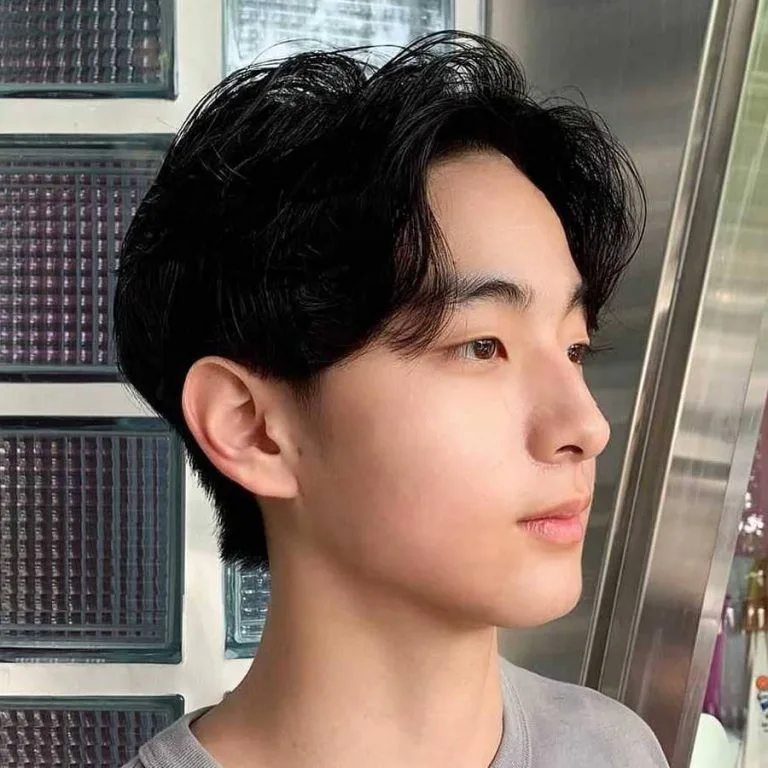
A fringe softens the cut and brings it right up to date, resting across the forehead while the fade keeps the sides sharp. It’s a good match for straight or slightly wavy hair and longer or oval faces. A little cream keeps the fringe smooth and in place.
Asian Taper Fade with Side Swept Hair
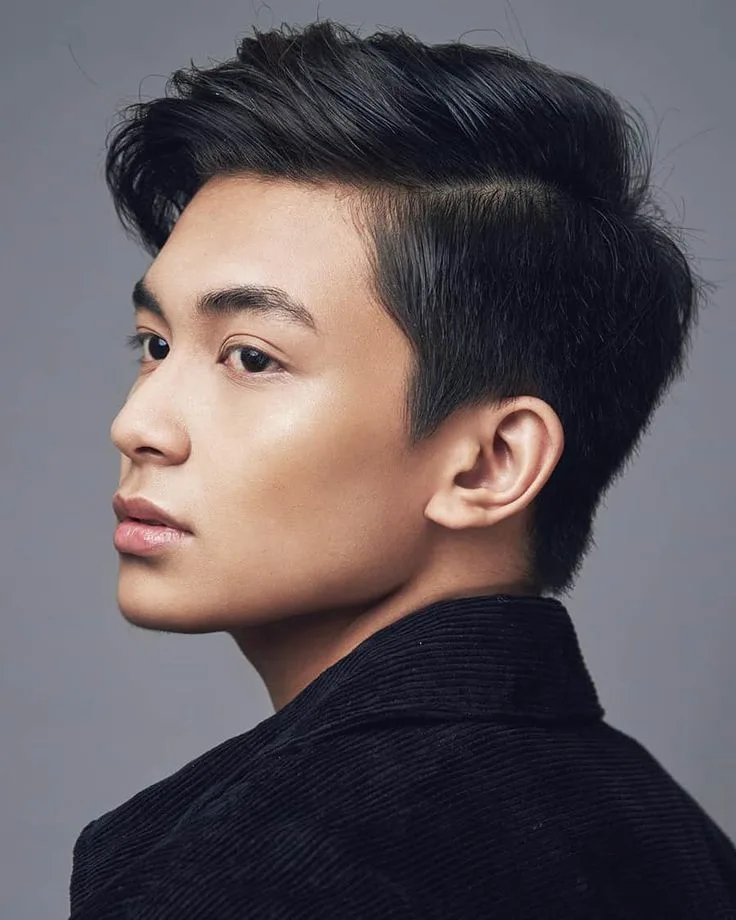
Sweep the top to one side for an easy, slightly dressed-up finish with natural movement. It works best on medium-length straight hair and heart-shaped faces that want a bit of width up top. A light styling cream gives control without stiffness.
Asian Taper Fade with Undercut
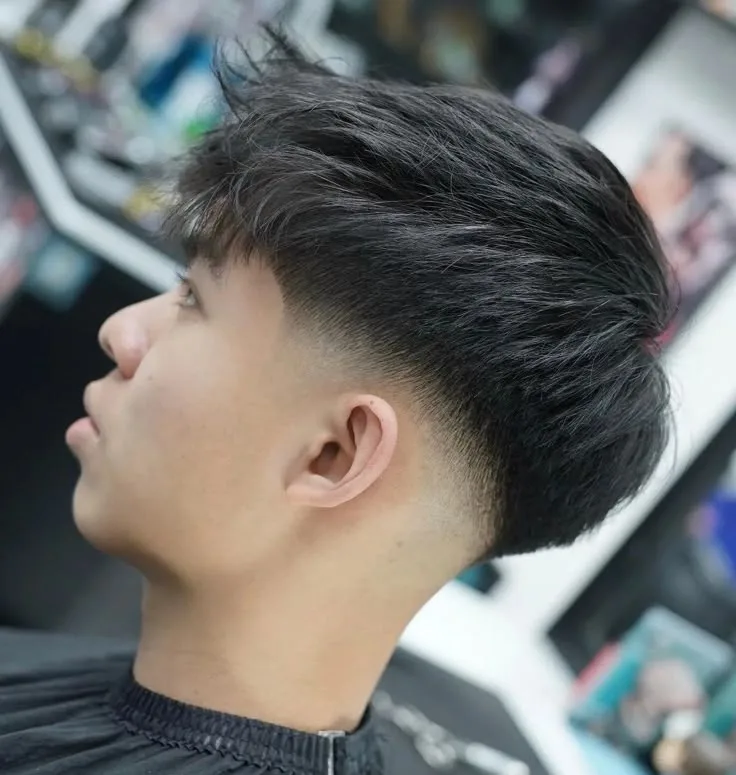
The undercut version is all contrast — short faded sides against a longer, disconnected top. It’s a bold, high-impact look for thick, straight hair and angular faces. A matte clay or wax keeps the volume in check and adds definition.
Low Drop Taper Fade Asian
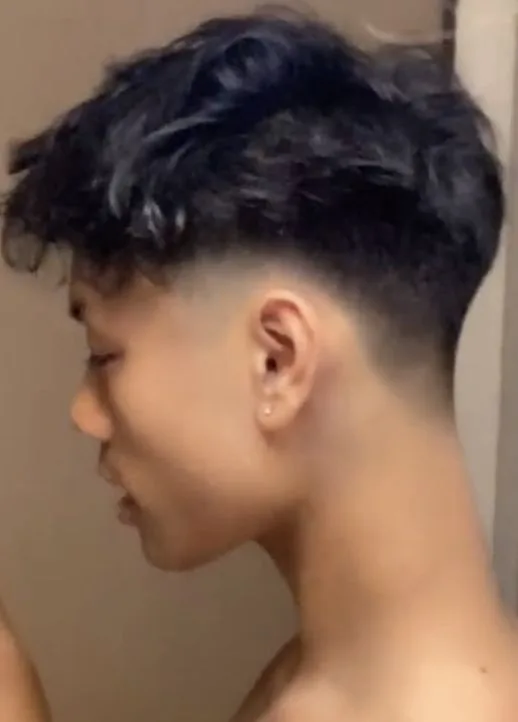
The drop taper follows the curve of your head and dips slightly at the back for a sculpted shape. It’s ideal for straight or dense hair and looks great on oval faces — smart enough for work, relaxed enough for the weekend. A little smoothing cream finishes it cleanly. The drop fade haircut gives a similar curved look if you want to compare.
Asian Taper Fade with Messy Top
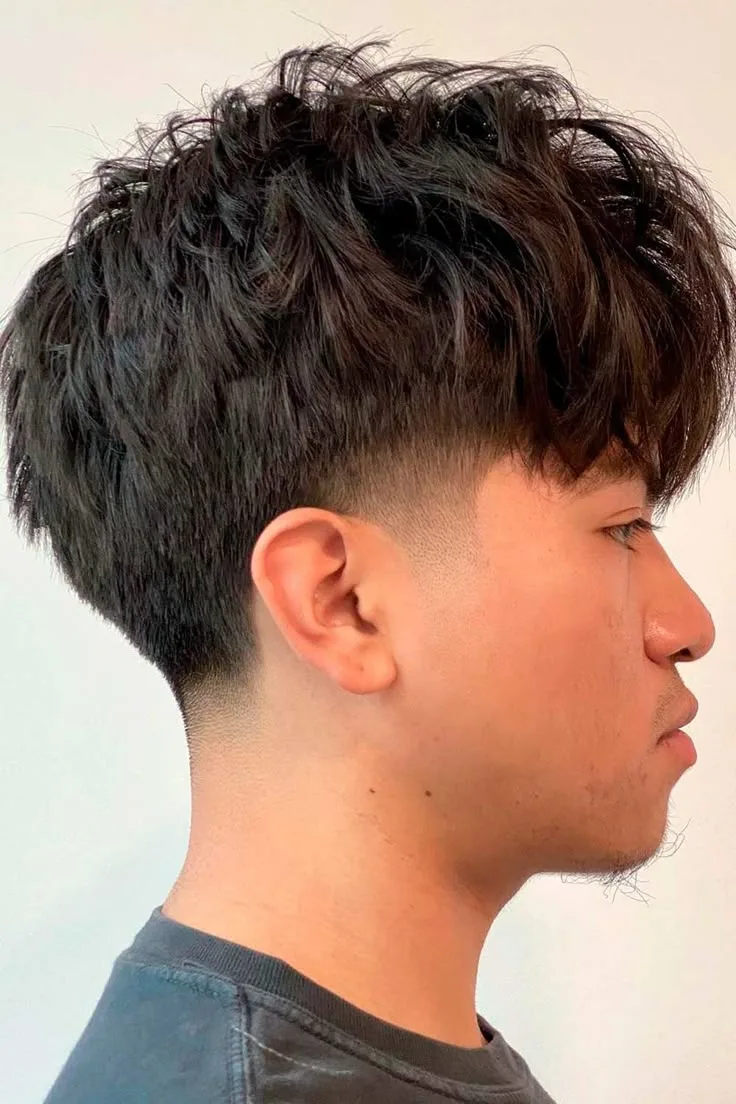
If you’d rather skip the polish, keep the sides clean and leave the top textured and a little undone. It’s an easy, confident look for thick or medium hair and suits oval and square faces. Matte paste gives soft hold without flattening it. For a sharper take, the low taper fade with textured fringe keeps the movement with a cleaner edge.
Asian Low Taper Fade with Volume Top
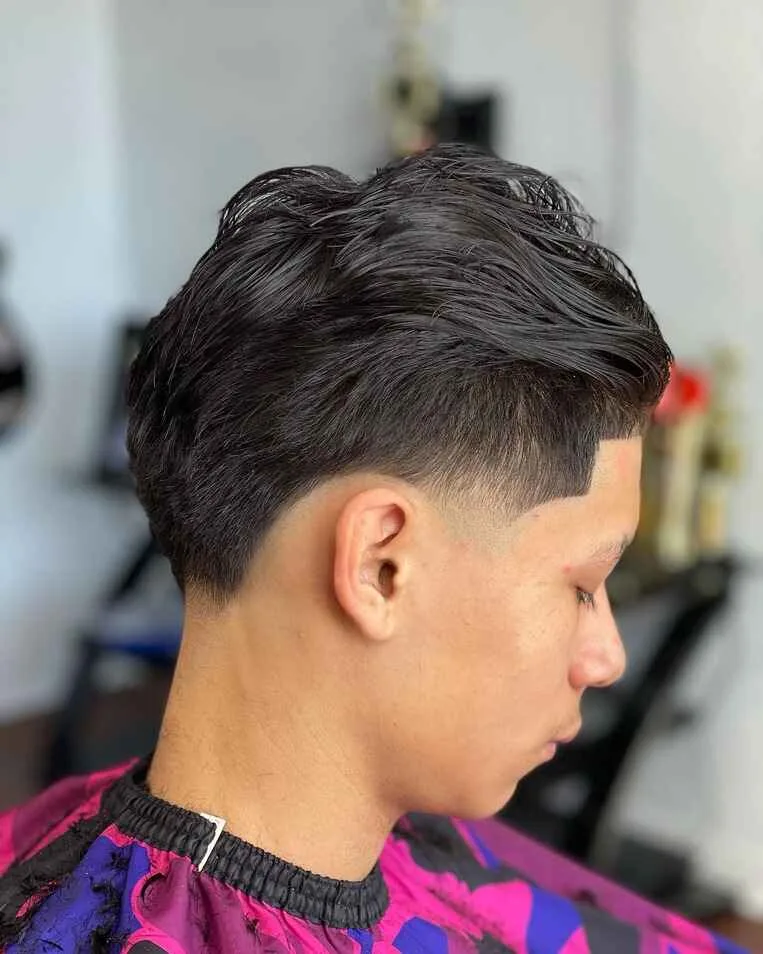
A low fade with real volume on top balances height and tidiness — neat at the sides, full up high. It’s a strong choice for straight or thick hair and round or heart-shaped faces that suit a bit of vertical lift. Blow-dry upward and finish with a light mousse for airy volume.
Maintenance & Styling Tips
A taper fade only looks its best when you keep on top of it. A few simple habits will keep yours sharp between cuts:
- Trim your fade every 2–3 weeks to keep the taper lines even and the shape consistent.
- Use a light pomade, clay, or cream to style your hair depending on your preferred finish — matte for texture, pomade for control, or cream for softness.
- Wash your hair regularly with a mild shampoo, and condition it to keep straight or thick Asian hair smooth and manageable.
- Avoid heavy gels — they make the top stiff and flatten your natural flow.
- Blow-dry the top if you want volume or to style a blowout taper fade Asian look.
- Keep your neckline, sideburns, and edges tidy between barber visits with a small trimmer.
- Sleep on a silk pillowcase or use a satin head cover to reduce frizz and protect the fade overnight.
Pro tip:
If your hair runs dry or coarse, work a little leave-in conditioner through before styling — it softens the strands and helps the fade blend more naturally.
How to Ask Your Barber for the Perfect Asian Taper Fade
Bring a clear photo to your barber — it beats any description. Then you can say something like:
“I’d like an Asian taper fade starting low around the temples and neckline, with the top left full and natural.”
It also helps to be upfront about your hair type and how you like to style it. Let your barber know:
- If you like a low, mid, or high taper fade.
- Whether you prefer a clean, professional finish or a textured, casual look.
- How much volume you want left on top for styling.
- If you want a middle part, side sweep, or quiff.
Finish by asking for clean, symmetrical lines and a natural blend that suits your face shape and hair type.
Face Shape and Personality Match
Oval face:
You can wear almost any version. A mid or low taper keeps things balanced and natural.
Round face:
Add height to lengthen the profile — a high taper or a blowout creates that lift.
Square face:
Lean into the jawline with a mid taper, or pair the fade with a beard for clean angles.
Rectangular or long face:
Choose styles that add width, like a middle part or a curly top, to soften the length.
Diamond or triangular face:
Go for a fuller top — extra volume up high adds width and balances the features.
Common Mistakes to Avoid
- Starting the fade too high — it turns the taper into a full fade and loses balance.
- Uneven blending — harsh transitions ruin the smooth, gradual look.
- Skipping trims — fades lose their shape if not maintained every few weeks.
- Using heavy products — they make straight Asian hair flat and greasy.
- Neglecting moisture — dry hair looks dull and frizzy; use leave-in conditioner.
- Forgetting the neckline — a clean neck keeps the fade looking sharp longer.
Personality Match
Polished: A classic low taper or a side part keeps things refined and office-ready.
Bold: A high taper or a quiff makes the statement for you.
Natural: A low taper on straight hair, styled loosely, keeps the effort invisible.
Trendy: A blowout or a middle part lands firmly on the fashion-forward side.
Frequently Asked Questions (FAQs)
1. How long does an Asian Taper Fade last before it needs a touch-up?
Usually around 2 to 3 weeks. Regular trims keep the fade lines clean and the blend smooth.
2. What’s the difference between a Taper Fade and a Full Fade?
A taper fade keeps some length around the temples and neckline, while a full fade cuts higher and removes more hair.
3. Does the Asian Taper Fade work on straight hair?
Yes, it’s perfect for straight Asian hair — the fade adds structure without making it look flat or heavy.
4. Can the Asian Taper Fade suit wavy or thick hair?
Absolutely. The taper fade helps control thickness while keeping natural texture visible and stylish.
5. Is the Asian Taper Fade good for all face shapes?
Yes. The fade height and top volume can be adjusted to match any face shape for balance and proportion.
6. Can I combine a beard with an Asian Taper Fade?
Definitely. A connected beard fade adds definition and complements strong jawlines perfectly.
7. How can I make my fade last longer between barber visits?
Keep the neckline tidy, use light styling products, and brush daily to maintain shape and freshness.
8. What products work best for Asian hair types?
Use light pomades, matte clay, or cream — they add texture and control without making your hair greasy.
9. Is it easy to style a low taper fade Asian haircut?
Yes. Just a little product and a quick comb or blow-dry in the morning keeps it neat and natural.
10. Which version of the Asian taper fade is most popular in 2026?
The low taper fade Asian with middle part and high taper fade Asian are trending for their clean, balanced look.
The Asian taper fade has stuck around for a reason — it’s clean, flexible, and flatters the hair most Asian men actually have. It sharpens your outline, makes the most of your natural texture, and doesn’t ask much of you day to day.
Keep up with regular trims, style it lightly, and find a barber who gets the shape right, and it’ll stay crisp for weeks. From low-key and polished to bold and expressive, it’s hard to name a more adaptable men’s cut for 2026.